New York City in July 2026: A Smart 3-Day Itinerary for Restaurant Week, Skyline Views, and Summer Crowds
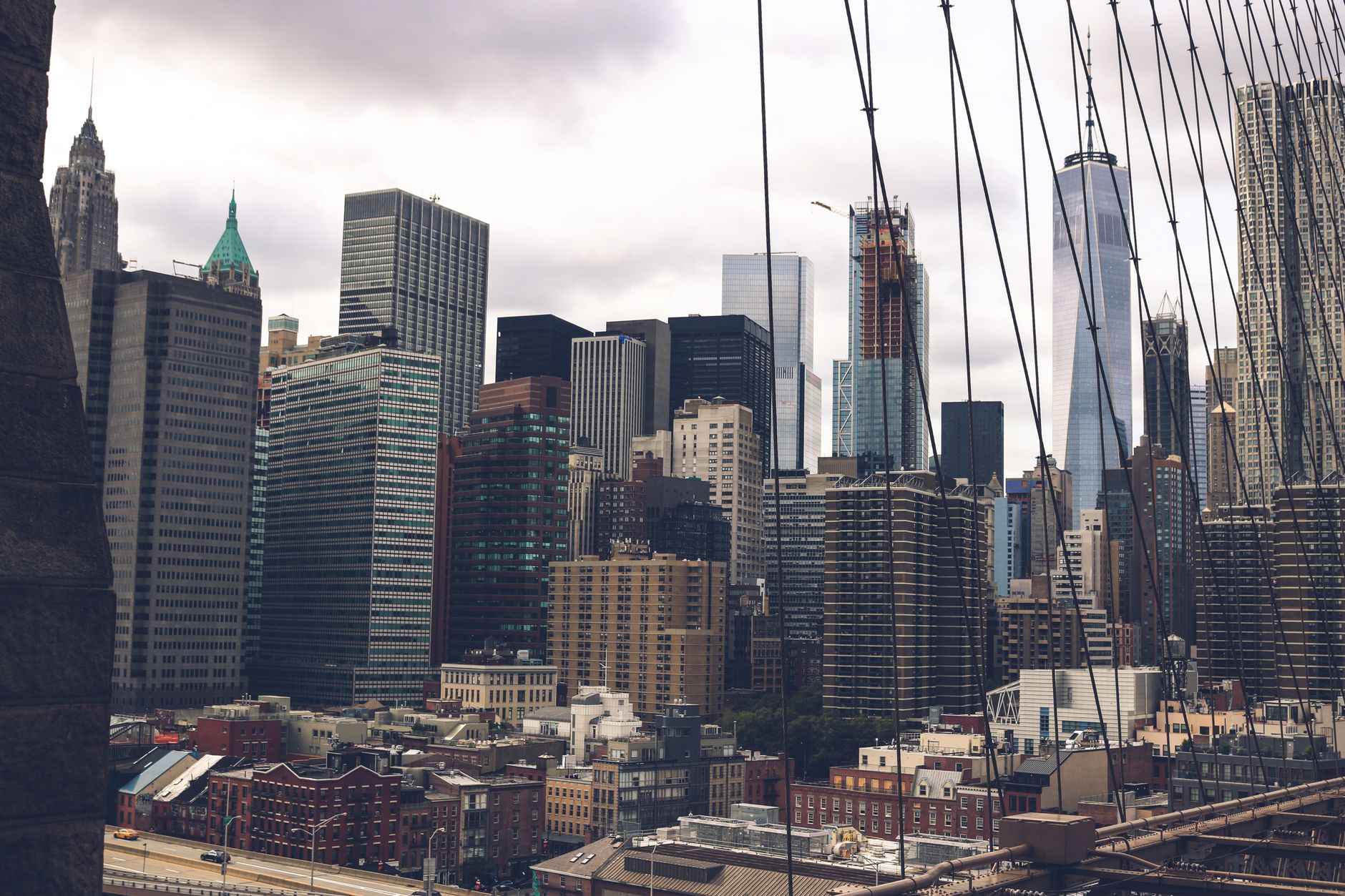
New York is never quiet in July, but 2026 is an especially interesting time to visit. The city is coming off the July 4 celebrations, the FIFA World Cup final is at MetLife Stadium on July 19, Manhattanhenge takes place on July 11 and 12, and NYC Restaurant Week returns from July 20 through August 16. That means visitors this month need a plan that balances big-ticket sights with neighborhood time, smart transit choices, and a little flexibility.
If you want a first trip that feels full but not frantic, this 3-day itinerary is a good fit. It focuses on classic Manhattan sights, one strong museum stop, time downtown, and practical ways to avoid the worst lines and cross-town backtracking.
Why July 2026 is a good time to visit
July in New York works well for travelers who want long days, later sunsets, outdoor events, and a city that stays lively well into the evening. This year, there are also a few timely reasons to plan around specific dates. Manhattanhenge is scheduled for July 11 and 12, when the sunset aligns with Manhattan’s street grid. The World Cup final in the region is on July 19, which is likely to raise crowds and hotel pressure. Then NYC Restaurant Week begins on July 20 and runs through August 16, with prix-fixe menus at participating restaurants across the five boroughs.
That mix makes late July especially appealing if you care about food and summer city energy, while the days around July 19 may feel busier for transportation and lodging.
Before you book: 5 planning mistakes to avoid
1. Staying too far out just to save a little money
New York transit is excellent, but a cheap room that adds 45 to 60 minutes each way can drain a short trip. For a first visit, Midtown, Long Island City, Downtown Brooklyn, the Financial District, and parts of the Upper West Side are usually more practical bases than remote airport zones.
2. Scheduling too many observation decks
Pick one, maybe two if views are a priority. The Empire State Building, Top of the Rock, Edge, One World Observatory, and SUMMIT One Vanderbilt all deliver different versions of the skyline, but doing several in three days can eat a surprising amount of time.
3. Underestimating summer heat
July means hot pavement, humid subway platforms, and longer walks than maps suggest. Build in indoor breaks, carry water, and put your longest outdoor stretch in the morning or near sunset.
4. Leaving major tickets until the last minute
Observation decks, Broadway, special exhibitions, and some popular restaurants can sell out or leave you with poor time slots. If you are visiting during Restaurant Week, book dining early rather than assuming you can improvise.
5. Treating every day like a marathon
The city is better when you leave room for a park bench, a detour into a bookstore, or an extra hour downtown. A planning app like Tripcito is useful here because you can map your reservations, pin places you might add later, and keep the day organized without overpacking it.
A smart 3-day NYC itinerary
Day 1: Midtown landmarks, Bryant Park, and a skyline view
Start with Midtown early, before sidewalks and attraction lines get thick. Walk through Bryant Park first, then head toward the New York Public Library exterior, Times Square, or Grand Central depending on what matters most to you. If you want a classic first-timer morning, this is the easiest day to include Rockefeller Center and Top of the Rock.
For lunch, keep it simple and nearby. In July, a long sit-down meal in the middle of your first day can slow the whole trip down. If you are traveling on or after July 20, this is also a good point to use a Restaurant Week lunch reservation instead of dinner, since midday reservations can be easier to fit into sightseeing.
In the afternoon, choose one indoor stop: The Museum of Modern Art works well from Midtown, while Grand Central and the Chrysler Building area are better if you prefer architecture and shorter museum time.
If your trip overlaps with Thursday, July 23, Broadway in Bryant Park is scheduled for 12:30 p.m., which can be a fun free stop if you already planned to be in Midtown that day.
End the day with one observation deck. For most first-time visitors, Top of the Rock remains one of the most balanced choices because you get the Empire State Building in the view and an excellent look over Central Park.
Day 2: Lower Manhattan, the waterfront, and one major museum
Begin downtown with an early walk through the Financial District. From there, choose the 9/11 Memorial, One World Observatory, the Staten Island Ferry, or the Brooklyn Bridge area. Do not try to do all of them before lunch.
A strong version of this day is: coffee near Fulton Street, the 9/11 Memorial in the morning, a waterfront walk, lunch, then either the ferry or a bridge crossing later. If you want a museum today, the Museum of Jewish Heritage, the National Museum of the American Indian, or the nearby Seaport area can fit naturally depending on your interests.
This is also a good day to leave a loose evening block. If you are visiting around the World Cup final weekend, city programming and fan activity may increase across the boroughs through July 19. That does not mean you need to center your trip on soccer, but it is worth checking neighborhood event calendars before heading out.
Keeping all your confirmations in one place matters more in New York than people expect. With Tripcito, it is easy to keep restaurant bookings, attraction times, and saved places together so you are not searching email while standing on a crowded sidewalk.
Day 3: Central Park, a neighborhood lunch, and a slower final afternoon
Spend your last day uptown. Start in Central Park in the morning, when the light is better and the heat is easier. A relaxed route could include Bethesda Terrace, Bow Bridge, and a museum on the park edge.
Choose either the Metropolitan Museum of Art or the American Museum of Natural History, not both. The Met is the better choice if you like art and want a museum that can scale from 90 minutes to half a day. Natural History is ideal if you want something easier, broader, and great in hot weather.
For lunch, go neighborhood-first rather than checklist-first. The Upper West Side, Upper East Side, or even a short detour into Harlem will usually give you a more enjoyable meal than another rushed Midtown stop. If your trip falls from July 20 onward, use this day for a more interesting Restaurant Week dinner and make it your one planned evening splurge.
If you are in town on July 11 or 12, swap part of this day to catch Manhattanhenge at sunset. It is one of those rare New York moments that feels touristy and local at the same time.
What to book in advance
For a July 2026 trip, these are the things worth booking before you arrive: your hotel, one observation deck, one major museum or timed attraction if needed, one flexible but desirable dinner, and any Broadway show you care about. If your dates are July 19 through late July, book even earlier because World Cup travel and Restaurant Week demand can overlap.
It also helps to build your days geographically. That sounds obvious, but in New York it is the difference between a smooth trip and spending half your vacation underground. Tripcito is handy for this because you can group saved places by neighborhood and sketch an hourly route that actually makes sense on foot and by subway.
Where to stay for a short first trip
Midtown
Best if you want easy access to major sights, Broadway, and multiple subway lines. Less charming, very practical.
Long Island City
Often a good value with fast subway links into Manhattan. A smart choice if Manhattan hotel prices spike.
Financial District
Quieter at night than Midtown, but efficient for downtown sightseeing and good hotel deals on some dates.
Upper West Side
Better if you want a more residential feel near Central Park and museums.
July survival tips for NYC
Wear shoes you can walk in for hours. Carry a refillable bottle. Expect subway platforms to feel hotter than the street. Use lunch as an air-conditioning break, not just a meal. And if thunderstorms appear in the forecast, keep one indoor backup idea per day.
Most importantly, do not judge the city by Times Square at 3 p.m. New York gets better when you move a few blocks with purpose, slow down in a park, and let one or two neighborhoods carry the day.
The best version of this trip
The best July trip to New York is not the one with the longest checklist. It is the one where your reservations are sensible, your walking routes are realistic, and you leave just enough room for the city to surprise you. In 2026, that matters even more because July comes with extra event energy, heavier visitor flow around July 19, and a particularly appealing Restaurant Week window starting July 20.
Plan a few anchors, stay flexible around the edges, and New York will do the rest.
See latest blog posts:
• Philadelphia This Weekend: How to Plan a Smart Fall City Break Around YèShì Chinatown Night Market
• Savannah in October: A Smart 3-Day Itinerary for Squares, Riverfront Walks, and Fall Events
• Philadelphia Indigenous Peoples Day Weekend 2026: A Practical 3-Day Guide for First-Time Visitors
• San Francisco Fleet Week 2026: A First-Timer’s Practical Guide to the Air Show, Ship Tours, and a Smart October Weekend
• Philadelphia in October: A Smart 3-Day Weekend Guide for Food, Fall Festivals, and Historic Neighborhoods