New York City Marathon Weekend 2026: A Practical Guide for First-Time Visitors
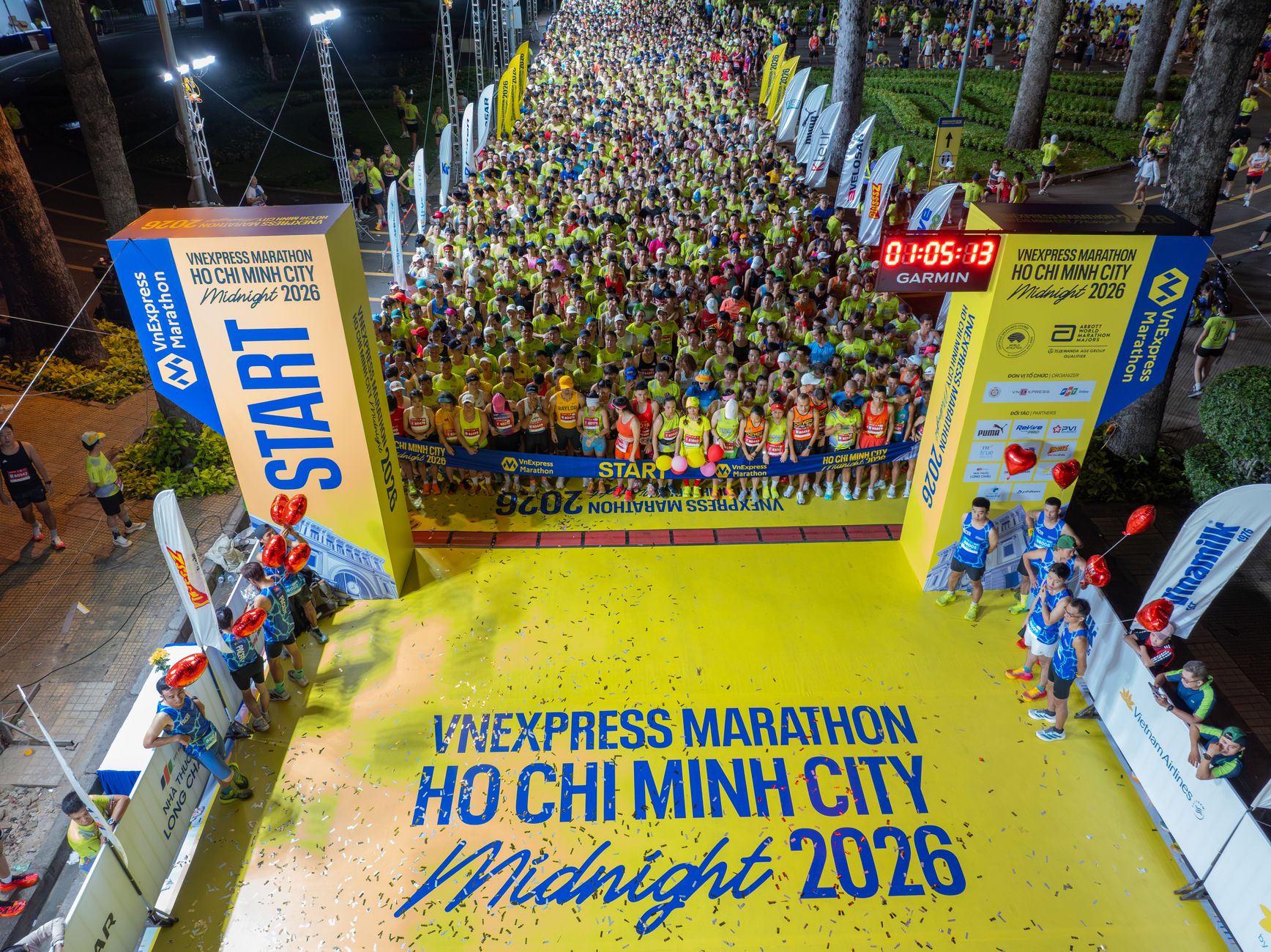
New York City marathon weekend is one of those rare travel moments when the whole city seems to move with a shared purpose. Even if you are not running, it is a brilliant time to visit: neighborhoods are lively, spectators line the streets for miles, and the energy carries well beyond the finish area in Central Park. For 2026, the trip is even more notable because the TCS New York City Marathon on Sunday, November 1, 2026 marks the 50th anniversary of the race’s five-borough course.
If you are thinking about flying in for the weekend, this guide is built for the practical side of the trip: where to base yourself, how to watch without wasting half the day in transit, what to do around the race, and how to avoid the classic first-timer mistakes.
Why marathon weekend is worth planning around
The 2026 race is not just another Sunday event. New York Road Runners has confirmed that the 2026 TCS New York City Marathon takes place on November 1 and commemorates 50 years of the five-borough course first run in 1976. The route still spans all five boroughs, with a minor Bronx adjustment in 2026, and much of the course is open to spectators from roughly mile 3 through the finish area. That makes it one of the easiest major sporting events to experience without a ticket if you plan well.
For travelers, the biggest advantage is that the race doubles as a neighborhood day. You can watch in Brooklyn in the morning, move to Manhattan later, and still fit in meals, museum time, or a walk through Central Park. If you like city trips with built-in momentum, this is a very good weekend to visit.
When to go and how long to stay
The smartest plan is to arrive by Friday, October 30, 2026, or early Saturday, October 31, 2026, and stay through at least Monday, November 2, 2026. That gives you one day to settle in, one full race weekend day, and one calmer city day after the crowds peak.
A Friday-to-Monday trip works especially well for first-time visitors because it leaves room for weather changes, subway delays, and the simple fact that race day is more tiring than it looks. If you are traveling with a runner, arriving Friday is even better, since marathon weekend comes with race-related events and a lot of logistics before the start.
Where to stay for the easiest weekend
Best area for most visitors: Midtown West
If this is your first NYC marathon trip, Midtown West is the easiest base. You are well placed for subway connections, walking access to Central Park’s south end, and a straightforward trip to restaurants, museums, and race-related activity. It is not the most atmospheric part of New York, but for a short event weekend, convenience matters more than romance.
Best area for a less hectic stay: Upper West Side
The Upper West Side works well if you want quicker access to Central Park and a more residential feel. Book early, though: rooms here are often limited and the finish-area side of the park draws heavy demand on marathon weekend.
Best area for food and neighborhood energy: Downtown Brooklyn
If you care more about race-day street atmosphere than about being near the finish, Downtown Brooklyn is a strong option. You will have easy access to several viewing zones in Brooklyn and good subway links into Manhattan. It can also be a better value than central Manhattan on high-demand weekends.
Whichever area you choose, prioritize a hotel near a subway line over one that only looks good on a map. NYC blocks are manageable; bad transit positioning is what usually wastes time.
How to watch the 2026 NYC Marathon without overcomplicating it
According to New York Road Runners, there is no spectator viewing at the start or on the Verrazzano-Narrows Bridge. The best strategy is to pick one early-course location and one later-course location, then move by subway. NYRR specifically recommends the subway as the best way for spectators to get around.
Good first viewing spot: Fourth Avenue in Brooklyn
This is one of the classic early cheering zones, with runners arriving just after they leave the Verrazzano-Narrows Bridge. It is exciting, loud, and easy to understand even if you have never seen the race before. If you want that huge marathon feeling, Brooklyn is the place to start.
Best for combining race energy and cafés: Williamsburg or Greenpoint
NYRR recommends Williamsburg and Greenpoint around miles 10 to 13. These are excellent picks if you want more room to move around, plus coffee shops and lunch options nearby. For many travelers, this is the sweet spot: enough race atmosphere without the compression of the finish area.
Best late-race viewing in Manhattan: First Avenue or East Harlem
Late-course Manhattan viewing is ideal if you want to see runners when the effort is really showing. NYRR lists several pedestrian crossing zones on First Avenue, including around 69th, 72nd, 83rd, and 86th Streets, which helps if you need to move around safely and legally.
Finish-area tip: only go if you really want the finale
The finish zone near Central Park is iconic, but it is also the most controlled and crowded part of the day. NYRR says standing spectator access is available near the south end of the grandstands, and grandstand seating requires a ticket. Access can also be limited based on capacity. If seeing the actual finish line matters deeply to you, go. If you mainly want atmosphere, Brooklyn or upper Manhattan will often be easier and more enjoyable.
A planning app helps here. Building your own marathon day sounds simple until you are juggling subway changes, restaurant reservations, and backup meeting points. A tool like Tripcito is useful for mapping an hourly plan, saving addresses, and keeping everyone in your group on the same page without a long text thread.
A smart first-timer race-day plan
Option 1: Spectator-focused day
Start in Brooklyn for an early viewing window, then take the subway into Manhattan for a second cheering spot around First Avenue or East Harlem. Finish the day with an early dinner on the Upper West Side or in Hell’s Kitchen. This is the best option if you want to experience multiple parts of the race.
Option 2: Low-stress day with one strong viewing moment
Pick Williamsburg or Greenpoint, stay there longer, have lunch nearby, and avoid trying to chase the course. This is ideal if you are traveling with kids, older relatives, or anyone who does not want a 20,000-step day.
Option 3: Traveling with a runner
Choose one dependable cheering point and one post-race meet-up area away from the densest finish crowds. Keep the rest of the day flexible. Marathon reunions almost always take longer than expected.
What else to do during the weekend
Do not try to cram every classic NYC sight into marathon Sunday. Save your big tourist checklist for Saturday or Monday.
Best Saturday plan
Keep it walkable and easy: Central Park, a museum stop, one good lunch, and an early night if someone in your group is running. If no one is racing, Saturday is still better as a moderate sightseeing day rather than an overbooked sprint across the city.
Best Monday plan
Monday is the perfect recovery sightseeing day. Neighborhoods like the West Village, SoHo, the Lower East Side, or Brooklyn Heights make more sense after the race than before it. You will have fewer crowds around marathon logistics and a better chance of getting a table without a long wait.
If you tend to overplan city breaks, this is another point where Tripcito can genuinely help. It is handy for keeping your hotel, saved restaurants, walking routes, and day-by-day timing in one place, especially when a weekend has one immovable anchor event in the middle.
Transit tips that matter on marathon weekend
The biggest practical rule is simple: do not rely on taxis for race-day movement across the course. Street closures and crowd control can make short distances unexpectedly slow. NYRR advises spectators to use the subway and to check MTA service information before traveling.
Also keep these in mind:
Leave earlier than you think you need to. Subway platforms and station exits near popular viewing zones get crowded.
Choose one or two viewing locations, not four. The city is large, and trying to hop repeatedly between boroughs usually turns into missed moments and unnecessary stress.
Save exact meeting points, not vague neighborhood names. “Near Central Park” is not a plan.
If you are traveling as a group, sharing a live itinerary through Tripcito is a simple way to avoid confusion when different people want different pacing during the day.
Common mistakes first-time visitors make
Booking too late
Marathon weekend is a major demand period. If you know you want to come, do not wait for last-minute hotel deals.
Trying to watch from the start
You cannot spectate at the start or on the Verrazzano-Narrows Bridge, so build your plan around accessible course sections instead.
Underestimating walking time
Even with the subway, you will walk a lot. Comfortable shoes matter more than looking polished in photos.
Making Sunday dinner plans too aggressively
The city is full of variables on race day. Book something flexible, close to your final viewing point, or simply plan to eat earlier than usual.
Is NYC marathon weekend good for non-runners?
Yes, absolutely. In fact, many visitors enjoy the weekend without any personal connection to the race. The appeal is not just athletics. It is the chance to experience New York in motion, with built-in excitement across neighborhoods you might not otherwise visit in one trip.
If you like cities at their most social, energetic, and slightly chaotic, marathon weekend delivers. The key is to plan just enough: one good hotel location, one realistic race-day strategy, and a short list of places you actually want to eat and explore.
Final takeaway
For a first-time visitor, the best version of New York City Marathon weekend is not the most ambitious one. It is the one that gives you a clear base, a flexible viewing plan, and enough breathing room to enjoy the city between the big moments.
Come for the race, but leave space for the neighborhoods. That is what makes the trip memorable.
See latest blog posts:
• Philadelphia Halloween Weekend 2026: A First-Timer’s Guide to Eastern State, Old City, and a Smart 3-Day Plan
• Phoenix in November: A Practical 3-Day Guide for Desert Weather, Art Weekends, and Easy First-Time Planning
• Philadelphia Marathon Weekend 2026: A Practical Guide for Runners, Spectators, and a Smart November Trip
• Austin City Limits 2026: A First-Timer’s Guide to a Smarter Festival Weekend in Austin
• New York City Marathon Weekend 2026: A Practical First-Timer’s Guide for Runners and Spectators