Seattle for First-Time Visitors: A Smart 3-Day Itinerary for Summer Views, Ferries, and Easy Transit
Seattle is one of the easiest U.S. cities to enjoy without a car, but first-time visitors still run into the same problems: staying in the wrong area, underestimating hills, and trying to cram too much into one day. A better approach is to group neighborhoods well, use light rail and the Monorail where they save time, and leave room for weather shifts, coffee stops, and waterfront detours.
If you are planning a first Seattle trip in August 2026, this guide focuses on a realistic long weekend: classic sights, good walking routes, and enough flexibility to make the city feel enjoyable rather than over-scheduled.
Why Seattle is a great first-time city break
Seattle works especially well for a 3-day trip because many of its best-known places are clustered into a few visitor-friendly zones: downtown and Pike Place Market, the waterfront, Seattle Center, Capitol Hill, and the ferry terminals. You can also get from Seattle-Tacoma International Airport to downtown on Link light rail in about 38 minutes, which makes arrival much easier than in many major U.S. cities. The SeaTac/Airport Station is connected to the airport via the parking garage level walkway, and light rail service generally runs from early morning until late at night. The Seattle Center Monorail also runs between Westlake Center and Seattle Center, with summer hours posted as Monday through Friday from 7:30 a.m. to 11:00 p.m. and Saturday through Sunday from 8:30 a.m. to 11:00 p.m. on its official site. (portseattle.org)
For late-summer visitors, Seattle also has a strong event calendar. One of the city’s biggest signature weekends, Seafair Weekend Festival, is scheduled for Friday, July 31 through Sunday, August 2, 2026, with the Boeing Seafair Air Show, hydroplane races, and Blue Angels performances over Lake Washington. That event is just past the current date of August 10, 2026, so it is no longer something worth building a fresh trip around right now. (seafair.org)
Where to stay for a first trip
Best base: Downtown or near Westlake
If you want the easiest logistics, stay downtown near Westlake, Pike Place, or the waterfront. That puts you within reach of Link light rail from the airport, easy walks to major sights, and the Monorail for Seattle Center.
Good alternative: Capitol Hill
Capitol Hill is a better fit if you care more about restaurants, bars, and a neighborhood feel than being steps from the postcard sights. It is still easy to reach downtown by transit.
What first-timers should avoid
Do not book solely by price if the hotel is far south of downtown or in an area that leaves you relying on rideshares for every move. Seattle is manageable without a car, but only if your base matches your plan.
A practical 3-day Seattle itinerary
Day 1: Pike Place Market, the waterfront, and sunset views
Start with Pike Place Market early. Morning is the best time to enjoy it before the middle of the day gets crowded. Walk the main arcade, browse produce and specialty food stands, then give yourself time to wander side corridors rather than treating the market like a checklist stop.
From there, head downhill to the waterfront. This is a good day for a loose plan: walk, snack, pause, and enjoy the bay views. If you like having all your reservations, notes, and walking order in one place, this is exactly where an app like Tripcito is useful; keeping the day organized by neighborhood makes Seattle feel much simpler.
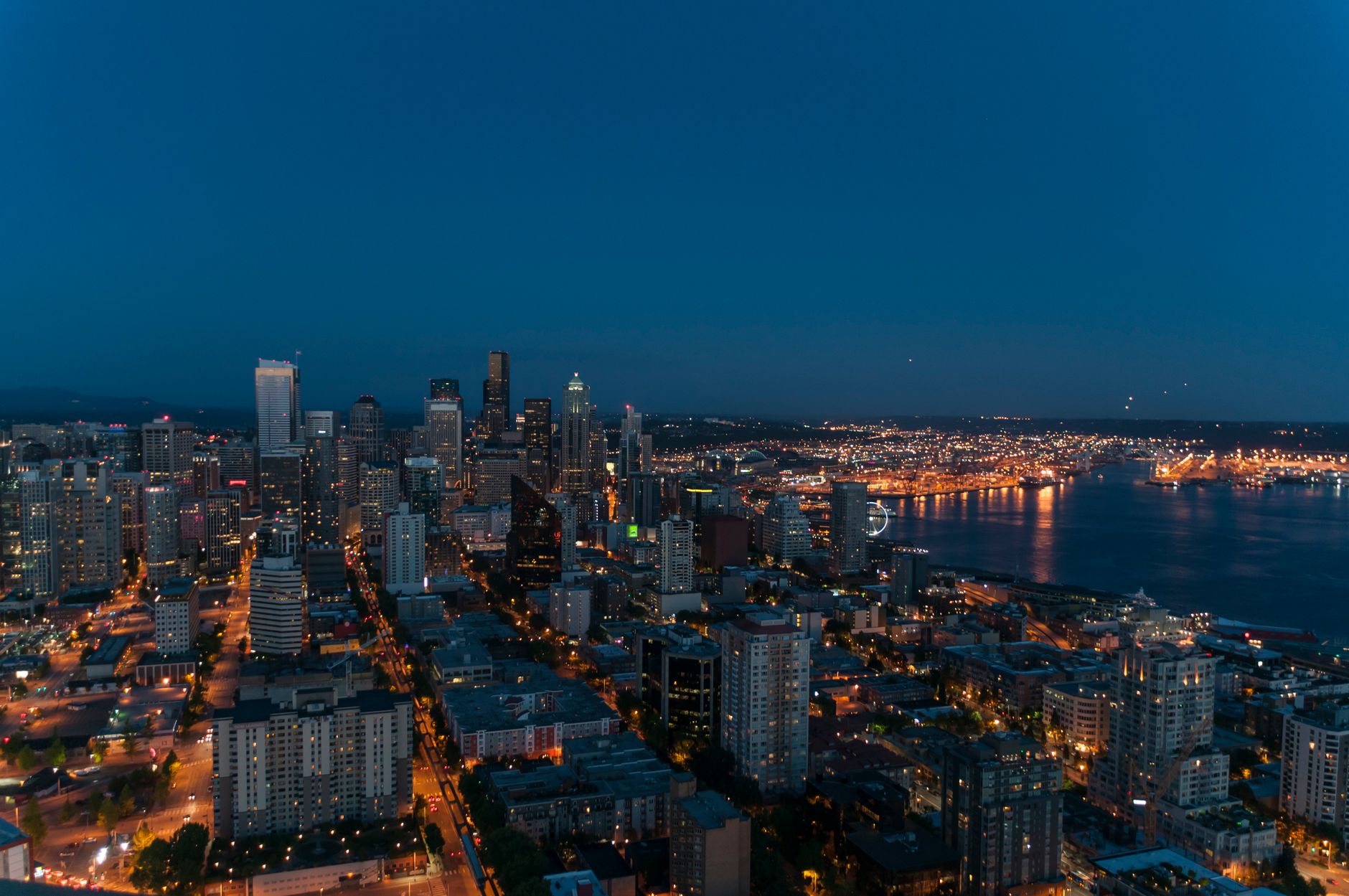
In the afternoon, continue north or south along the waterfront depending on your energy. Keep dinner flexible and save one viewpoint for the evening. For many first-time visitors, the best move is not packing in another museum but choosing one strong sunset moment instead, whether that is a rooftop, a waterfront bench, or a ferry-facing overlook.
Day 2: Seattle Center, Space Needle area, and a slower evening
Use the Seattle Center Monorail from Westlake to Seattle Center if you are staying downtown. It is quick, easy, and more useful than trying to call a car for a very short trip. The Monorail only runs between Westlake Center and Seattle Center, so it is best thought of as a time-saver for this specific corridor rather than broader transport. (seattlemonorail.com)
Plan this day around Seattle Center and nearby sights. This is the easiest point in the trip to include the city’s big-name attractions because you can do them with minimal transit friction. Keep the middle of the day open enough for one longer stop and one lighter stop, instead of trying to race through everything at the complex.
By evening, either return downtown for dinner or head to Capitol Hill for a different feel. Seattle rewards travelers who build in breathing room, and this is another place where Tripcito can help: it is handy for laying out a realistic hour-by-hour plan without overstuffing it.
Day 3: Take a ferry and see Seattle from the water
A Seattle trip feels incomplete if you never get out on the water. For a first visit, a ferry ride is one of the best use-of-time choices because it gives you skyline views, a sense of the region, and a break from urban walking. Keep this day lighter on fixed plans. The goal is not to “do” as many attractions as possible but to experience one of the city’s defining landscapes properly.
Before you go, check the official sailing schedule and terminal information for the route you want, since ferry operations can change by season, day, or demand. This is one part of Seattle planning where last-minute verification matters more than in a museum-heavy city. If you are organizing the trip with friends, Tripcito is especially helpful for sharing timing, notes, and backup plans in one place instead of scattering them across messages.
How to get around Seattle without wasting time
From the airport
For most visitors staying downtown, Link light rail is the simplest airport transfer. Official airport and transit information says the ride to downtown takes about 38 minutes, and the station is reached from baggage claim by going to the fourth floor and crossing the skybridge area toward the parking garage level. (portseattle.org)
Within the city
Walk when you are exploring one neighborhood, but use transit between clusters. Downtown to Seattle Center is where the Monorail makes sense. For airport access and broader north-south movement, use Link light rail. If your plans run late, always re-check official service details rather than assuming the same hours apply every day. (seattlemonorail.com)
Should you rent a car?
Usually, no. For a first-time city-focused trip, a car often adds cost and parking hassle without improving the experience. It only starts to make sense if Seattle is just one stop in a larger Washington road trip.
What to book early
Book your hotel first, especially if you want a central area at a reasonable price. After that, prioritize any attraction or restaurant you would be genuinely disappointed to miss. Ferry plans, airport transit, and neighborhood walks can stay flexible, but your accommodation should not.
If you are traveling on a summer weekend, check whether a large event, concert, or sports date overlaps with your stay. Even when it does not directly affect your itinerary, it can affect room prices and transit crowding.
Common first-timer mistakes in Seattle
One mistake is treating the city like a flat grid. Seattle hills are real, and they change how long walks feel. Another is trying to combine too many neighborhoods in one day. A third is ignoring weather variability. Even in summer, layers are useful near the water and in the evening.
The smartest Seattle itineraries are not the busiest ones. They are the ones that group places logically, use transit well, and leave enough time to enjoy the city’s strongest asset: being outdoors in it.
Final planning tips
If this is your first Seattle visit, aim for one great market morning, one strong skyline or observation day, and one water-focused experience. That mix gives you a real sense of the city without turning the trip into a sprint.
Keep your hotel central, use Link from the airport, take the Monorail when it actually saves time, and avoid planning every hour too tightly. Seattle is at its best when the trip feels well-structured but not rigid.
See latest blog posts:
• Philadelphia This Weekend: How to Plan a Smart Fall City Break Around YèShì Chinatown Night Market
• Savannah in October: A Smart 3-Day Itinerary for Squares, Riverfront Walks, and Fall Events
• Philadelphia Indigenous Peoples Day Weekend 2026: A Practical 3-Day Guide for First-Time Visitors
• San Francisco Fleet Week 2026: A First-Timer’s Practical Guide to the Air Show, Ship Tours, and a Smart October Weekend
• Philadelphia in October: A Smart 3-Day Weekend Guide for Food, Fall Festivals, and Historic Neighborhoods