Seattle in July: A Smart 3-Day Itinerary for Waterfront Walks, Pike Place, and Seafair Season
Seattle is one of those cities that gets much easier to love once you plan it properly. In July, days are long, the waterfront feels lively without being chaotic all day, and the city’s summer calendar starts to fill with Seafair events. If you are visiting in mid-to-late July 2026, that matters: Seafair’s Wallingford Parade is scheduled for July 11, the Seafair Triathlon is set for July 19 at Seward Park, and Seattle Fleet Week & Boeing Maritime Celebration runs July 21 to July 24. That means a trip can be part classic first-time sightseeing, part well-timed summer city break.
This itinerary is built for first-time visitors who want a practical plan, not a checklist that sends you zigzagging across town. It focuses on places that are genuinely worth your time: Pike Place Market, the waterfront, Seattle Center, one ferry ride, and a few neighborhoods that show the city beyond postcard views.
Why Seattle works especially well in July
July is when Seattle is easiest to explore on foot. The city stays active later into the evening, outdoor viewpoints are more rewarding, and the summer event calendar gives your trip a little extra energy. In 2026, Seattle is also in a particularly busy tourism stretch, with Pike Place Market noting summer crowd planning tied to major visitor demand and seasonal traffic controls in and around the Market. If you like cities that feel active rather than sleepy, this is a strong time to go.
The key is to avoid treating Seattle like a single downtown attraction zone. Distances look short on a map, but hills, queues, and transit timing can eat into your day. A planning app such as Tripcito is genuinely useful here because you can group nearby stops into a realistic route instead of wasting an hour bouncing between neighborhoods.
Before you go: 5 practical Seattle planning tips
1. Stay downtown, Belltown, or near Seattle Center
If this is your first trip, staying central makes the city much easier. Downtown puts you close to Pike Place and the waterfront. Belltown gives you easy restaurant access and a less office-heavy feel. Lower Queen Anne/Seattle Center works well if you want quick access to the Space Needle area and easier event-day logistics.
2. Expect summer crowds at Pike Place Market
Pike Place Market is still worth it, but go early. The Market’s visitor information notes limited vehicle access during select daytime hours and emphasizes heavy summer visitation. In practice, that means mornings are better for browsing, photos, and actually seeing produce stalls and fish counters without shoulder-to-shoulder traffic.
3. Use transit for airport and city-center moves
The Seattle Center Monorail runs daily between downtown and Seattle Center, with regular hours and extended service on some event nights. For airport arrivals, Link light rail is often the simplest way into the city, especially if you are staying near downtown and want to skip traffic.
4. If you want to drive onto a ferry, plan ahead
Washington State Ferries is seeing strong summer demand, and WSDOT specifically advises travelers to check live conditions and, on busy routes, make vehicle reservations where available. For most short Seattle trips, the smarter move is simple: go as a walk-on passenger instead of bringing a car.
5. Build in a little flexibility for weather and views
July is a strong month for skyline views, but marine clouds can still shift the mood of a morning. Keep one scenic stop movable so you can swap your best viewpoint to the clearest part of the day.
Day 1: Pike Place Market, the waterfront, and downtown done properly
Morning: Start at Pike Place Market
Get here early and treat the Market like a working neighborhood, not just a photo stop. Walk the main arcade first, then dip into the lower levels and side hallways where the place feels less performative and more interesting. This is the right time for coffee, a pastry, fruit, or an easy breakfast you can eat while wandering.
Do not overbook this part of the day. Pike Place rewards slower browsing more than speed-running famous corners. If you like organized planning, this is a good moment to use Tripcito to keep your food stops, reservation notes, and walking order in one place; Seattle days can get messy fast if everyone in your group is saving ideas in different apps.
Late morning to afternoon: Walk downhill to the waterfront
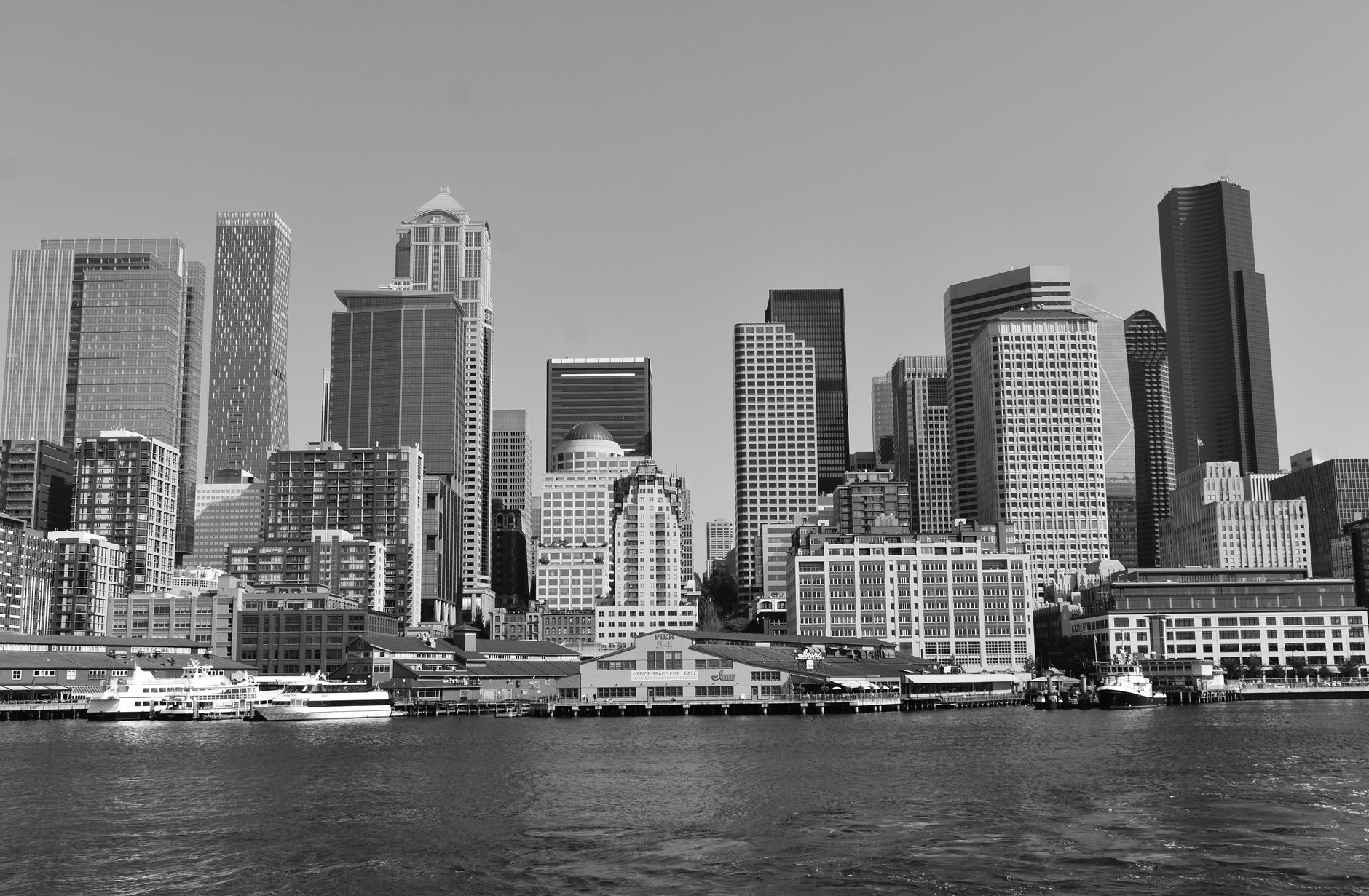
Seattle’s revitalized waterfront is now one of the city’s easiest wins. From Pike Place, head down toward Elliott Bay and spend the middle of the day on the water side of downtown. This is the stretch for a long walk, casual seafood, people-watching, and letting the skyline sit behind you for a bit. If the weather is clear, this is also one of the best times for ferry and mountain views.
If you want a museum without overcomplicating the route, the Seattle Art Museum is a convenient choice near downtown rather than a cross-city detour.
Evening: Keep dinner simple and stay central
For the first night, resist the urge to scatter across the city. Stay in downtown, Belltown, or the waterfront area so you can have a relaxed evening rather than a transit-heavy one. Seattle is a city that feels better when your first day ends early enough for a real night walk instead of one last unnecessary Uber.
Day 2: Seattle Center, skyline views, and a neighborhood afternoon
Morning: Seattle Center first, not last
Go to Seattle Center in the morning, before lines get longer. The Space Needle is open daily and is one of the rare marquee attractions here that still earns its spot on a first-timer itinerary. Chihuly Garden and Glass is nearby and easy to pair if that is your thing, but you do not need to force both if your group would rather spend more time outside.
The Seattle Center Monorail is the fastest connection between downtown and Seattle Center and runs daily, which makes this one of the cleanest, lowest-friction sightseeing moves in the city.
Afternoon: Choose one neighborhood, not three
This is where many Seattle itineraries go wrong. Instead of trying to cram in Capitol Hill, Fremont, Ballard, and Queen Anne in one afternoon, pick one area based on your interests.
If you want shops, cafés, and an easy solo-travel feel, choose Capitol Hill. If you want a slower, more local-feeling afternoon with bars and boutiques, choose Ballard. If you want a straightforward extension from Seattle Center, stick with Queen Anne and keep the pace light.
The smartest version of Seattle is not the one with the most pins on a map. It is the one where each neighborhood has enough breathing room to feel distinct.
Evening: Plan around the calendar if you are here for Seafair dates
If your trip lands on a Seafair weekend, check what is happening before dinner. Mid-July 2026 visitors could align a trip with the Wallingford Parade on July 11, the Seafair Triathlon on July 19, or Fleet Week events from July 21 through July 24. Those dates can change your transit choices and crowd patterns, but they can also make a regular weekend feel much more memorable.
Day 3: Take a ferry and give the city a better finale
Morning: Ride to Bainbridge Island as a walk-on passenger
If you only do one classic Seattle move beyond downtown, make it the ferry. WSDOT’s summer travel guidance notes strong demand on major ferry routes, and that is exactly why walking on is usually the easiest option for visitors. You get the skyline departure, open-air deck views, and a simple half-day outing without the stress of vehicle lines.
This works best if you keep expectations modest. The ride is the point as much as the destination. Go, wander a little, have lunch or coffee, and come back without turning the day into a race.
Afternoon: Save your best viewpoint for clear weather
Use your last afternoon for whichever scenic stop you skipped earlier. If day two was cloudy, this is the time to do the skyline view. If you already did the Space Needle, simply leave room for a waterfront walk, a final Market pass, or a long lunch. Seattle rewards second looks more than overstuffed schedules.
Evening: Leave yourself an easy departure plan
If you are flying out the next morning, keep the last night calm and central. If you are leaving that evening, pad your airport transfer. Summer weekends and event dates can slow road travel, and rail is often the more predictable choice.
What to skip if you only have 3 days
Skip the temptation to do every famous neighborhood. Skip long sit-down meals in the middle of your busiest sightseeing windows. Skip renting a car unless your trip continues outside the city. And skip building a minute-by-minute itinerary that ignores ferry waits, hills, and the fact that Seattle is better when you leave room for spontaneous stops.
A good Seattle plan should feel tidy on paper and flexible in real life. That is exactly where a tool like Tripcito helps: you can map stops by area, keep bookings and notes together, and adjust the day quickly if crowds, weather, or group energy change.
Is Seattle worth visiting in July?
Yes, especially if you want a city break that mixes classic sights with strong summer atmosphere. July 2026 is a particularly good moment because Seattle has long daylight, active waterfront energy, and real event momentum from Seafair. For first-time visitors, that combination makes the city easier to enjoy than in colder, darker months.
The trick is not trying to do everything. Give Pike Place your morning, Seattle Center its own block of time, one ferry ride, and one neighborhood you can actually remember later. That is enough for a very good Seattle trip.
See latest blog posts:
• Philadelphia This Weekend: How to Plan a Smart Fall City Break Around YèShì Chinatown Night Market
• Savannah in October: A Smart 3-Day Itinerary for Squares, Riverfront Walks, and Fall Events
• Philadelphia Indigenous Peoples Day Weekend 2026: A Practical 3-Day Guide for First-Time Visitors
• San Francisco Fleet Week 2026: A First-Timer’s Practical Guide to the Air Show, Ship Tours, and a Smart October Weekend
• Philadelphia in October: A Smart 3-Day Weekend Guide for Food, Fall Festivals, and Historic Neighborhoods