
How to Plan a Trip During Hurricane Season Without Taking Unnecessary Risks
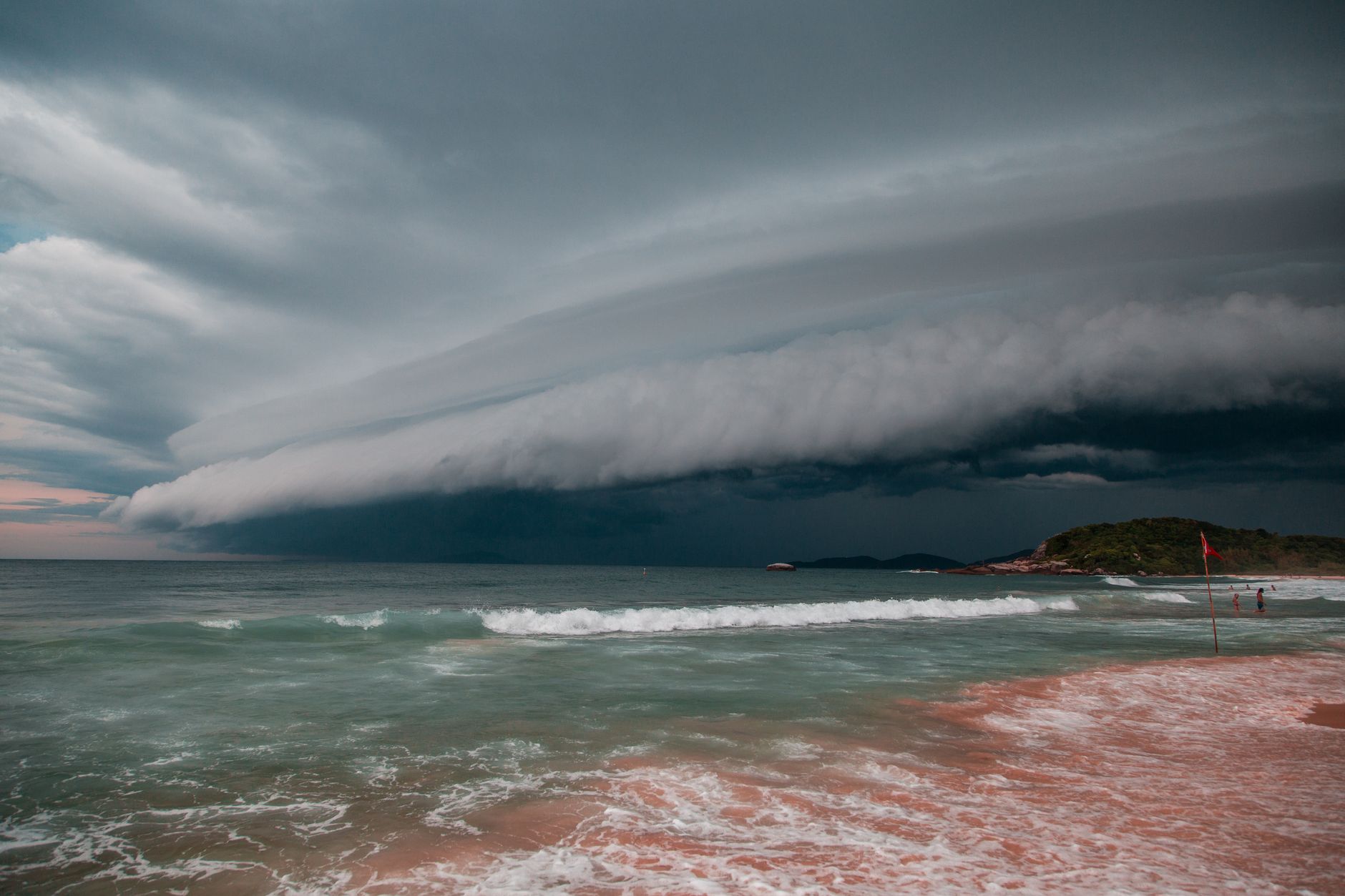
Traveling during hurricane season can mean lower prices and lighter crowds, but it also comes with real tradeoffs. The key is not to panic or avoid entire regions by default. It is to plan around risk in a practical way.
If you are considering a trip to the Caribbean, the Gulf Coast, Florida, Mexico, or parts of the Atlantic coast during storm season, you need a trip plan that can absorb changes. That means choosing flexible bookings, understanding what forecasts can and cannot tell you, and knowing when a good deal is not worth the uncertainty.
What hurricane season actually means for travelers
Hurricane season in the Atlantic runs from June 1 through November 30. In the Eastern Pacific, it also runs from May 15 through November 30. Those dates do not mean every destination is constantly affected for months at a time. They mean the chance of tropical storms and hurricanes is elevated during that window.
For travelers, the biggest mistake is treating hurricane season as either totally safe or totally off-limits. Reality sits in the middle. Many trips happen without any disruption, but when storms do form, they can affect flights, ferries, road access, hotel operations, and local services quickly.
Who should avoid hurricane-season travel
Some travelers should be more cautious than others. If your trip depends on fixed dates, nonrefundable bookings, a cruise itinerary you are emotionally attached to, or a short vacation with no room for delays, hurricane season may not be the best fit.
The same goes if you are planning a honeymoon, a once-a-year family trip, or travel with older relatives, infants, or anyone with medical needs that make disruptions harder to manage. A lower room rate is rarely worth days of stress if your plans cannot bend.
How to choose a lower-risk destination
If you still want to travel during storm season, think in terms of relative risk rather than yes-or-no safety. Some places are more exposed at certain times of year, and some trips are easier to recover if weather shifts.
Favor destinations with stronger logistics
Choose places with multiple daily flights, solid roads, reliable accommodations, and plenty of indoor options. Large cities and well-connected destinations are generally easier to rebook and navigate than small islands with limited air service.
Do not book a trip that only works in perfect weather
A beach vacation with no backup activities is fragile. A city, cultural, or food-focused destination often gives you more room to adapt if two days turn rainy or transport is delayed.
Think about your exact travel dates
Even within hurricane season, conditions vary. You do not need to predict storms months ahead, but you should know whether your dates fall in the broader season and build flexibility accordingly.
Book flights and hotels with flexibility first
This is where good hurricane-season planning really happens. Cheap, rigid bookings can become expensive very fast if plans change.
Look for changeable flights
Prioritize fares that allow changes without heavy penalties. A slightly higher fare can be worth it if a storm develops and you need to move your trip by a day or two.
Read hotel cancellation terms carefully
Do not assume “free cancellation” lasts until the day of arrival. Check the exact deadline, the property time zone, and whether prepaid rates are refundable. If weather risk is part of the equation, flexibility matters more than squeezing out the lowest nightly rate.
Be careful with separate bookings
If you book flight, hotel, ferry, and tours separately, one disruption can trigger a chain reaction. During hurricane season, try to reduce connections and same-day transfers that leave no margin for delay.
What travel insurance can and cannot do
Travel insurance can help, but only if you understand the policy before booking. Many travelers assume any bad weather means automatic coverage. That is not how it works.
In general, insurance may help when a covered event affects your trip, such as severe weather causing delays or making your destination uninhabitable. But coverage depends on the policy terms, timing, and documentation. Buying insurance after a storm is named will not usually protect you from that known event.
Always read the policy details for trip cancellation, interruption, delay, and emergency assistance. If you are relying on insurance as your backup plan, the fine print matters more than the headline promise.
How to monitor storms without stressing yourself out
You do not need to refresh weather apps obsessively two weeks before departure. Tropical systems often change course, strengthen, or weaken. Watching too early can create more anxiety than clarity.
Start paying closer attention about a week out
At that point, forecasts become more useful for practical planning. Check official weather sources, your airline alerts, and accommodation messages rather than depending on rumors or dramatic social posts.
Focus on impact, not just storm names
A named storm far away may not affect your destination much. On the other hand, heavy rain, flooding, wind, or ferry cancellations can still disrupt a trip even if there is no major hurricane landfall where you are going.
Watch your inbound route too
Your destination may look fine while your connection airport or departure city is the real problem. Storm-season travel planning should include the full route, not just the final stop.
Build a backup plan before you leave
The easiest time to make decisions is before your trip becomes chaotic. Give yourself a simple backup plan in writing.
Plan A: take the trip as booked
Keep your original itinerary, confirmations, and transport details organized in one place.
Plan B: shift by one or two days
Know what you would change first if weather risk rises. Would you leave earlier, arrive later, or shorten the trip?
Plan C: switch destinations or cancel
If the trip becomes unrealistic, decide your threshold ahead of time. That might be an active storm watch, airport disruption, ferry suspension, or a destination where most activities would be closed anyway.
What to pack for storm-season travel
Packing for hurricane season is less about survival gear and more about handling wet, delayed, inconvenient travel days.
Bring a light rain layer, quick-drying clothes, a small waterproof pouch for documents and electronics, portable chargers, and basic medications in your carry-on. If checked bags are delayed, you want enough essentials with you to manage at least a day or two.
If you are visiting islands or coastal areas, it is also smart to download maps, save offline reservation details, and keep key phone numbers accessible without relying on perfect connectivity.
When to cancel instead of hoping for the best
There is a point where optimism becomes poor planning. If official forecasts show a high chance of significant impact during your travel window, or if local authorities and providers are already warning about closures and disruptions, it is usually better to change plans early.
Waiting too long can leave you with fewer flight options, higher rebooking costs, and more limited hotel choices elsewhere. The earlier you act on solid information, the more control you usually keep.
A smart way to think about hurricane-season deals
Lower prices during hurricane season are real, but they are only a good deal if your trip is built to handle uncertainty. The best candidates are flexible travelers, moderate budgets, and itineraries that do not collapse if one day goes wrong.
If that sounds like you, storm season can be a perfectly reasonable time to travel. If not, paying more for a lower-risk window may be the cheaper decision in the long run.
Final thoughts
Planning a trip during hurricane season is not about gambling or trying to outguess the weather months in advance. It is about booking smart, reducing fragile connections, and knowing your alternatives before you need them.
When you plan for flexibility from the start, you are much more likely to protect both your money and your time.
See latest blog posts:
• How to Plan a Trip With One Hotel Base and Smarter Day Trips
• How to Plan a Trip With Early Arrival and Late Departure Without Losing a Day
• How to Plan a Trip With Checked Baggage Only When Carry-On Rules Keep Changing
• How to Plan a Flight With an Overnight Layover Without Wasting Money or Sleep
• What to Pack in Carry-On vs Checked Baggage: The Simple Flight Packing Guide