
How to Plan a Trip With Early Arrival and Late Departure Without Losing a Day
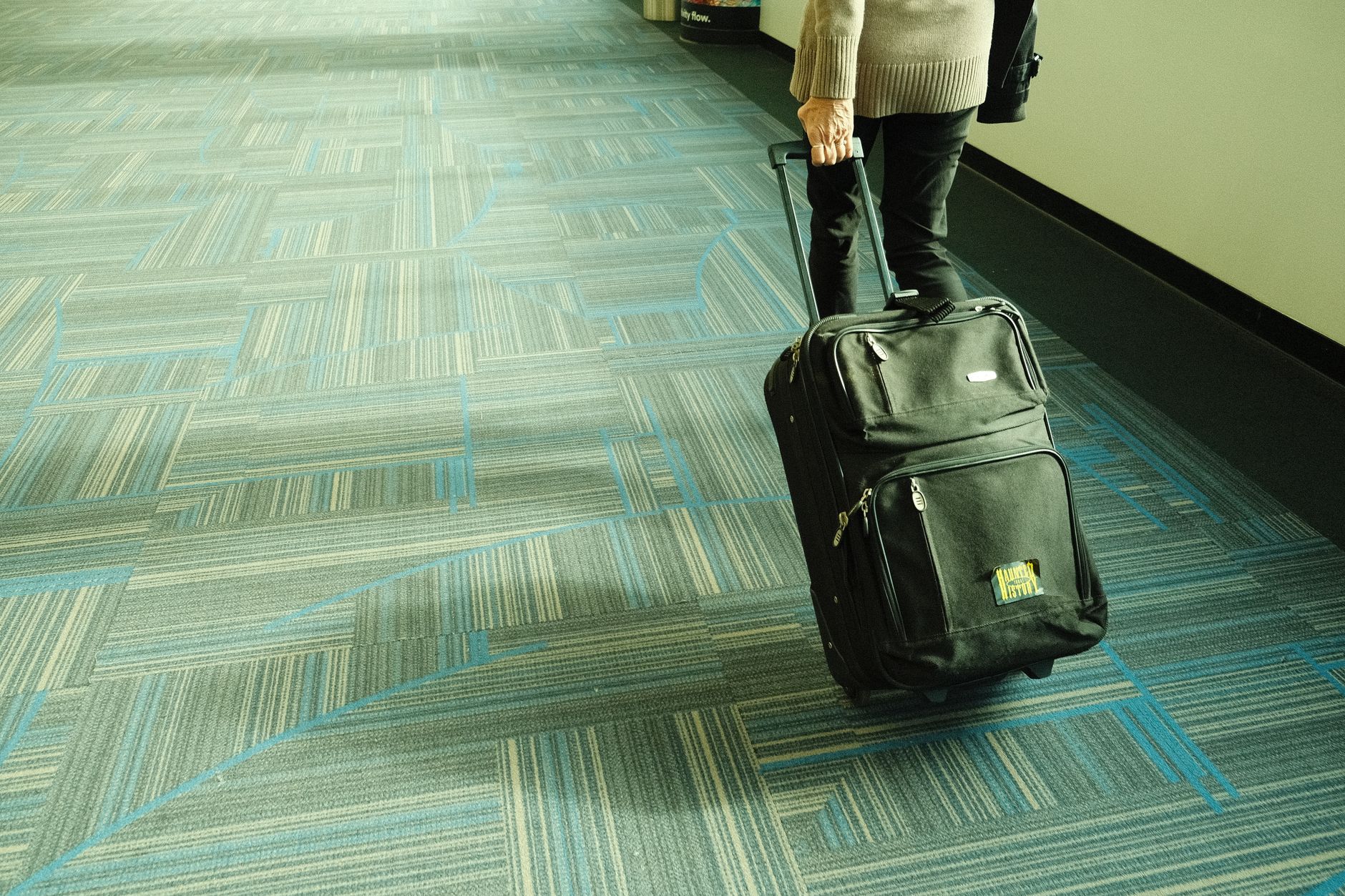
The first and last day of a trip often look fine on paper and feel messy in real life. You land at 7 a.m., but your room is not ready until the afternoon. Or you check out at 11 a.m. and your flight does not leave until 10 p.m. That gap can turn into hours of wasted time, extra transport, and the kind of tired decision-making that makes a trip feel harder than it needs to be.
A better plan starts before you leave home. If you know how to handle luggage, timing, meals, rest, and one or two realistic activities, those awkward in-between hours can become useful instead of frustrating. The goal is not to cram in more sightseeing. It is to make your arrival day and departure day work with your energy, your bags, and your schedule.
Why these travel days cause problems
Most trips are built around flight times, but cities run on hotel schedules. Many accommodations do not promise access to your room until mid-afternoon, and most require check-out by late morning. That leaves a mismatch that affects almost every traveler at some point.
The problem gets worse when you add jet lag, overnight flights, unpredictable traffic, airport transfer time, and luggage you do not want to carry around. Travelers often either overplan these hours and end up exhausted, or underplan them and lose half a day sitting in a lobby scrolling through maps.
Start with the two times that matter most
Before you add anything to your itinerary, write down four exact times: your landing time, your likely arrival time at the hotel or rental, your required check-out time, and the time you need to leave for the airport on the final day. Those four numbers tell you how much usable time you really have.
Then estimate conservatively. An 8 a.m. landing does not mean you will be downtown at 8:45. Build in time for immigration if needed, baggage claim, train or taxi transfer, and the possibility that you will just be slower than usual because you are tired.
Once you see the real window, divide it into one of three types: short buffer, half-day, or nearly full day. That helps you decide whether to plan a café and a walk, a museum and lunch, or a proper final afternoon in the city.
For early arrival days, solve the luggage question first
Nothing ruins an arrival day faster than carrying bags around while waiting for your room. Your first job is to figure out where your luggage will be stored.
Ask your accommodation in advance
Many hotels will hold bags before check-in and after check-out even if the room is not ready. Some vacation rentals can also help, but the answer is less predictable. Message ahead and ask a direct question rather than assuming.
Good questions are simple: Can you store luggage before check-in? If the room is not ready, is there a secure place for bags? Can you store luggage after check-out on departure day? Getting this sorted before the trip makes the first and last day much easier.
Have a backup plan
If your accommodation cannot help, identify a practical luggage storage option near the station, city center, or airport. The best choice depends on your route for the day. If you will be sightseeing near your hotel, store bags there. If you are heading straight across the city later, storage near a major transit hub may be smarter.
Choose the location based on your actual path, not just what looks closest on a map.
Do not plan your arrival day like a normal sightseeing day
Even if you slept on the plane, arrival days are rarely good for ambitious plans. This is the day for low-stakes, flexible activities that are easy to shorten or skip.
What works well on arrival day
Good arrival-day plans usually share three traits: they are close together, they do not require strict timing, and they can be enjoyable when you are tired. Think neighborhood walks, a relaxed lunch, a market, a viewpoint with easy access, a simple museum, or sitting in a park and getting oriented.
If your room becomes available earlier than expected, great. If not, your day still works.
What to avoid
Skip anything that depends on a fixed entry time, a long cross-city journey, or a lot of standing in line. Arrival day is also a poor time for your most important reservation of the trip. If a delay, bad sleep, or a slow transfer throws off your schedule, you do not want to lose a hard-to-book experience on day one.
Build an arrival-day routine that reduces stress
Having a simple sequence for the first few hours helps more than people expect. It prevents that aimless feeling after a flight when every decision seems harder than it should.
A practical routine looks like this: arrive, get connected if needed, use the restroom, secure your bags, eat something light, and then do one easy activity nearby. After that, reassess your energy. If you are fading, head back as soon as the room is ready. If you feel good, add one more stop and keep the evening quiet.
This kind of plan leaves room for reality, which is exactly what first-day travel needs.
For late departure days, plan around comfort, not just free time
On the final day, many travelers focus only on squeezing in a few more sights. A better question is: what will make the day feel smooth before a flight or long train ride?
Once you check out, your priorities change. You may need access to a restroom to freshen up, a place to recharge devices, somewhere to sit for an hour, and a route that gets you to the airport without stress. If you plan only around attractions, the day can start to feel uncomfortable fast.
Good uses of a late departure day
The best final-day plans are usually local and easy to leave. A long lunch in a nice neighborhood, a museum near your luggage storage point, a short waterfront walk, a final shopping stop, or a café break with space to repack are all useful choices.
This is also a good time for the things that never fit neatly elsewhere in the itinerary: picking up gifts, revisiting a favorite area, taking photos in daylight, or having one last meal you actually wanted rather than airport food.
What to avoid before leaving for the airport
Avoid high-risk plans on departure day: distant neighborhoods, tight reservations, activities that leave you sweaty or soaked, and anything that makes returning for your bags inconvenient. The last day should narrow your radius, not expand it.
Think in zones, not in a citywide checklist
One of the easiest ways to waste an arrival or departure day is to zigzag across a city. Instead, group your time into one small area based on where your bags are and how you will reach the airport or station later.
If your hotel is in a central neighborhood and your airport train leaves nearby, stay in that zone. If you stored your luggage near a major station, plan your final hours around that station. A compact plan usually beats a more ambitious one that depends on multiple transit changes.
This is where travel planning tools help: seeing your stops on a map makes it easier to notice when a “quick stop” is actually far out of the way.
Use paid early check-in or late check-out selectively
Sometimes paying for extra time in the room is worth it. Sometimes it is not.
It usually makes sense when you are arriving after an overnight flight and know you will need rest, when you are traveling with a child, when you need a shower before a long-haul departure, or when your luggage situation is otherwise awkward. It makes less sense when you already plan to be out exploring for most of the day.
The key is to compare the cost with the value of comfort and convenience, not just the number of hours. A few hours with access to a shower, bed, and private bathroom can be more useful than an extra attraction squeezed into the schedule.
Keep one small essentials bag accessible
If your main luggage is stored for the day, keep a smaller bag with the things you may actually need before check-in or before heading to the airport. That usually means chargers, medications, a water bottle, valuables, travel documents, basic toiletries, sunglasses, and a change of clothes or fresh shirt if you have a long journey ahead.
This matters most on warm days, after overnight flights, and before evening departures. Being able to freshen up without unpacking everything makes the day much easier.
Plan food intentionally on both days
Food is one of the easiest ways to stabilize a messy travel day. On arrival day, eat something simple and familiar before you get too hungry and irritable. On departure day, avoid leaving meals to chance, especially if you are heading to the airport at a busy time or flying from a terminal with limited options.
If there is one meal you especially care about in a destination, the final day can be a great place for it. It gives the end of the trip some shape and keeps you from drifting through the day waiting to leave.
A simple template you can reuse
If you want a repeatable approach, use this framework.
Early arrival template
Arrive in the city, store bags, have breakfast or coffee, do one nearby low-effort activity, check in, rest, then do one short evening plan close to your accommodation.
Late departure template
Check out, store bags, do one compact activity in the same area, have an unhurried meal, pick up bags, freshen up if possible, then head to the airport with a time buffer you will not regret.
It is simple, but it works in most cities because it respects how travel days actually feel.
The goal is not to maximize every hour
Travel planning gets better when you stop treating the first and last day like empty space to fill. These are transition days. They work best when they are structured, flexible, and light on friction.
If you solve luggage early, keep your plans geographically tight, and choose activities that match your energy level, you can turn awkward timing into a smooth part of the trip. You may not see the maximum number of sights, but you will usually enjoy the trip more and arrive at each stage of it in a much better mood.
See latest blog posts:
• How to Plan a Trip During Hurricane Season Without Taking Unnecessary Risks
• How to Plan a Trip With One Hotel Base and Smarter Day Trips
• How to Plan a Trip With Checked Baggage Only When Carry-On Rules Keep Changing
• How to Plan a Flight With an Overnight Layover Without Wasting Money or Sleep
• What to Pack in Carry-On vs Checked Baggage: The Simple Flight Packing Guide