
How to Plan a Trip With a Morning Flight Without Losing Sleep or Wasting Day One
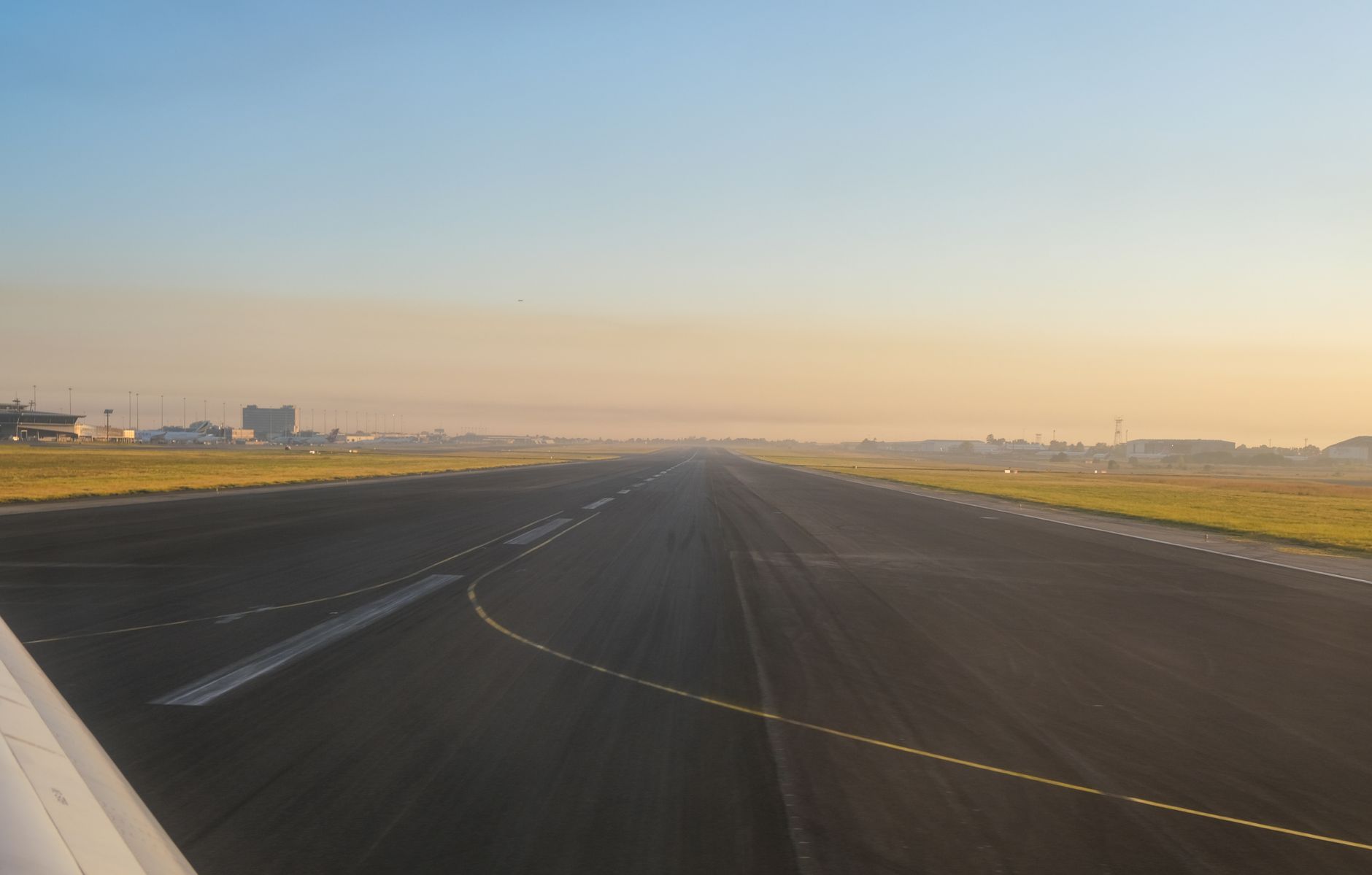
Morning flights are popular for a reason. They often give you more usable time at your destination, reduce the odds of cascading delays later in the day, and can make a short trip feel longer. But they also come with a hidden cost: a bad first day if you plan everything as if you slept well, ate properly, and arrived with full energy.
The mistake is not booking the early flight. The mistake is building the rest of the trip around the fantasy version of early travel. A better plan is to treat departure morning as part of the itinerary, not just the part before the itinerary starts.
Why morning flights can work so well
If you are trying to maximize a weekend break, a short domestic trip, or a city stay with limited time, a morning departure can be the most efficient option. You may reach your destination before lunch, drop your bags, and still have time for a low-stress afternoon. That can be much better than arriving in the evening and losing the whole day to transit.
Early departures can also simplify weather and delay risk in some situations, especially when an aircraft and crew have not yet spent a full day absorbing disruptions from earlier flights. That does not guarantee a smooth trip, but it can make your schedule less fragile than a late-day itinerary with multiple moving parts.
Decide whether the early flight is actually worth it
Before you book, compare the real door-to-door timeline, not just the airfare and takeoff time.
Ask these questions first
How long will it take to reach the airport at that hour? If a 6:10 a.m. flight means waking up at 3:15 a.m., the savings may not be worth it unless the trip is very short or you are gaining a major advantage at the destination.
Will public transportation be running when you need it? If not, you may be paying for a taxi or rideshare anyway, which changes the total cost.
Can you realistically function on arrival? If you land at 9:30 a.m. but are likely to be too tired to do anything useful until afternoon, the “extra day” may be less valuable than it seems.
What does the first day require? If your plan includes a scenic drive, a museum-heavy schedule, or an important event, fatigue matters. If the first day is just lunch, a neighborhood walk, and an early night, a morning flight makes more sense.
Build the night before around the departure, not around denial
The easiest way to ruin a morning flight is to behave the night before as if the alarm will somehow feel normal. It will not.
Pack fully the evening before. That includes charging devices, downloading boarding passes, setting out airport clothes, filling your water bottle if appropriate for after security, and deciding exactly how you will get to the airport. If you need snacks, medicine, a travel pillow, or a passport wallet, put them in the bag before bed.
Do not leave “small things” for the morning. Small things become trip delays when you are tired.
A better night-before checklist
Choose your airport outfit and shoes.
Confirm terminal, airline, and bag rules.
Check the airport transit plan and backup option.
Set more than one alarm if you are worried about oversleeping.
Put essential documents in one easy-to-reach place.
Keep the first day simple enough that a rough start will not derail it.
Plan airport timing with more honesty than optimism
Morning flights fail at the ground stage more often than people admit. The issue is not the plane. It is the chain of little assumptions before the plane.
Maybe the rideshare takes longer than expected. Maybe the gas station coffee line is full. Maybe the security line is oddly slow because everyone else had the same idea. If the airport is large or unfamiliar, add more buffer than you think you need.
This matters even more if you are traveling with checked baggage, children, ski gear, strollers, or an international departure. An early flight is only convenient if it does not begin with panic.
Make day one lighter than you think it should be
This is the biggest planning adjustment and the one that saves the most trips.
Do not schedule your most important activity for the first few hours after arrival. Even if everything goes well, early flights often mean reduced sleep, rushed transit, and a body that is technically awake but not fully useful.
A good first day after a morning flight usually has three parts: arrival logistics, one or two easy activities, and an early reset. That might mean dropping bags, eating something decent, taking a walk through the neighborhood, visiting one low-pressure sight, and calling it an early night.
Good first-day activities after an early flight
Neighborhood walking
Casual lunch or coffee
Scenic viewpoint
Market browsing
Hop-on, hop-off orientation ride
One museum or one landmark, not five
Bad first-day activities after an early flight
A packed sightseeing list
A long drive immediately after landing
A high-end dinner reservation you must enjoy on schedule
A physically demanding tour with no margin for delays
Anything that depends on you being alert, patient, and cheerful for hours
Handle hotel check-in before it becomes a problem
Morning arrivals often create a gap between landing and check-in. If you do not plan for it, that gap can waste half the day.
Before the trip, look at your accommodation’s baggage storage options and early check-in policy. You do not need to count on getting into the room early, but you do need to know whether you can drop bags and head out. If that is unclear, ask in advance.
Then plan one nearby activity that works with luggage-free but room-free time. A local breakfast spot, a walkable district, or a simple indoor attraction can bridge the gap without turning arrival day into a waiting game.
Think about food earlier than usual
People regularly underestimate how much a very early departure affects meals. You may leave home before breakfast, dislike the airport options, land hungry, and then make poor decisions because your energy is low.
Pack one real snack, not just something sugary. Know what your first proper meal will be after arrival. If you are landing somewhere expensive, remote, or transit-heavy, this matters even more. Hunger makes every small travel inconvenience feel larger.
Be careful with rental cars and long transfers
A morning arrival can make it tempting to pick up a rental car immediately and push straight into the “real trip.” Sometimes that works. Sometimes it means driving while underslept in an unfamiliar place.
If the destination requires a long transfer, ask whether breaking the day into stages would be smarter. Maybe you spend the first afternoon near the arrival city and drive the next morning. Maybe you take a train instead of driving right away. Maybe you book the slightly later flight and arrive better rested.
Saving daylight is helpful. Starting tired behind the wheel is not.
Use a simple energy budget for the first 24 hours
One useful travel habit is to treat arrival day like a limited-resource day. Instead of asking, “How much can I fit in?” ask, “What is worth doing well before I run out of energy?”
A simple version looks like this:
Spend energy on the flight, airport transfer, and check-in process.
Spend a smaller amount on one meaningful activity.
Save enough for a proper meal, basic planning for tomorrow, and getting to bed at a decent hour.
If the trip is longer than a weekend, this approach usually leads to a better overall experience than trying to squeeze maximum value out of the first afternoon.
When a morning flight makes the most sense
Morning departures are usually worth considering when the trip is short, the destination is easy to reach from the airport, and day one does not need to carry too much weight. They also work well when you are trying to stretch a weekend, avoid arriving late, or create space for a slow first afternoon.
They make less sense when reaching the airport is difficult, the first day includes a demanding schedule, or the destination still requires several hours of onward travel. In those cases, the “extra time” may exist only on paper.
A smarter way to think about early departures
The best morning-flight strategy is not heroic. It is realistic. Book the flight if it gives your trip a real advantage, but plan around the fact that you will probably be less rested than usual. Protect the first day from overbooking, solve the bag and meal logistics in advance, and leave enough room to arrive like a human being instead of a delayed task list.
Done well, a morning flight can give you more trip without making the trip feel harder. That is the version worth aiming for.
See latest blog posts:
• Memorial Day Weekend in Philadelphia: A Smart 3-Day City Break for History, Museums, and Food
• How to Plan a Trip Around Museum and Attraction Closures Without Wasting a Day
• How to Plan a Trip Around Train Arrival and Departure Times Without Losing Half a Day
• How to Plan a Trip With Only a Backpack and Still Travel Comfortably
• How to Plan a Trip With an Expired Passport That Might Still Be Usable