
How to Plan a Trip With Only a Backpack and Still Travel Comfortably
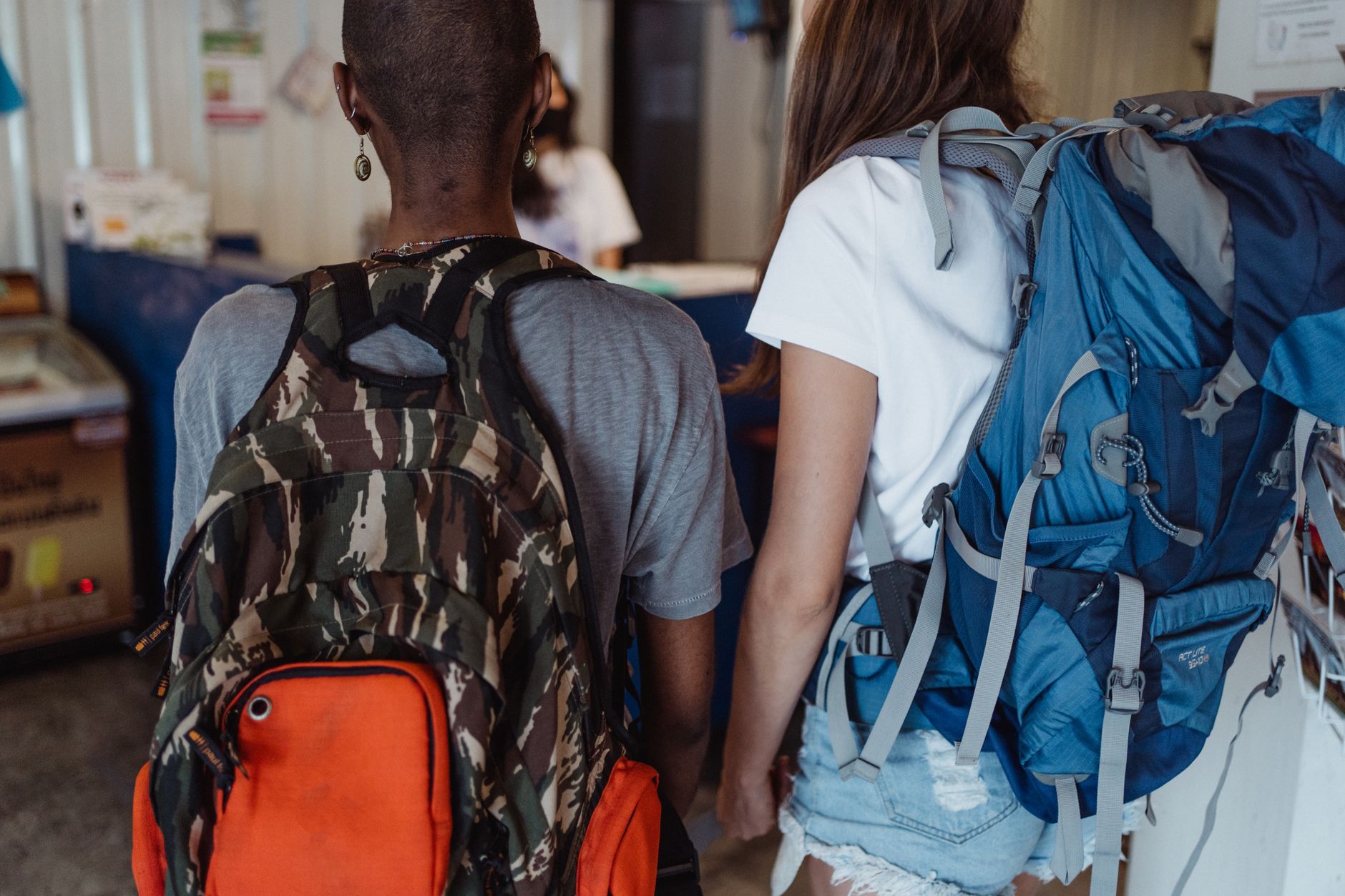
Traveling with only a backpack sounds simple until you are the one deciding what stays, what goes, and what you will regret carrying on day three. Done well, backpack-only travel makes a trip easier from the moment you leave home. You move faster through airports and stations, avoid dragging luggage over stairs and cobblestones, and spend less mental energy keeping track of your stuff.
The key is not extreme minimalism. It is planning a trip that works with one small bag. That means choosing the right backpack, packing around laundry and weather, and avoiding an itinerary that depends on outfit changes or bulky gear. If you want to travel lighter without feeling underprepared, this approach is practical, comfortable, and easier than most people expect.
Why backpack-only travel works so well
A backpack changes the shape of a trip. You are more flexible when changing trains, storing your bag in a locker, walking to your hotel, or fitting into a crowded bus. You are also less likely to overpack when every item has to earn its place.
For many travelers, the biggest benefit is not saving baggage fees. It is reducing friction. A smaller bag means fewer packing decisions, faster checkouts, less waiting at baggage claim, and fewer chances of leaving something behind. It also makes short stays and multi-stop trips much easier to manage.
Choose the right backpack before you plan the rest
The best backpack for travel is not necessarily the biggest one you can carry. A smaller bag forces better decisions and is usually more comfortable in transit. For most trips, a travel backpack in the 25 to 40 liter range is enough if you pack intentionally.
Look for these features
A clamshell opening makes packing much easier than a top-loading hiking bag. Padded shoulder straps and a supportive back panel matter if you will carry it for more than a few minutes at a time. Useful internal organization helps, but too many compartments can waste space. If you plan to fly, dimensions matter more than advertised capacity, so always compare the bag to your airline’s baggage rules before you book.
If you already own a backpack, use that first. A comfortable bag you know how to pack is usually better than buying a new one just because it is labeled for travel.
Build your itinerary around light travel
Backpack-only travel gets easier when your trip style matches your packing style. If your itinerary includes beach time, hiking, fine dining, cold weather, and remote work all in one week, your bag fills up fast. A more focused trip is easier to pack for and usually more enjoyable anyway.
Keep your trip visually and practically consistent
Try to group destinations with similar weather and similar daily routines. A city break plus a mountain detour plus a formal event often turns one small bag into an impossible puzzle. If your trip has multiple stops, think about what you will actually wear in each place rather than packing for every hypothetical scenario.
Plan for laundry, not for endless outfits
One of the biggest mindset shifts is realizing you do not need enough clothes for every day of the trip. You need enough clothes to get from one laundry opportunity to the next. That could mean using a laundromat halfway through the trip, booking one stay with a washer, or doing a quick sink wash for basics.
What to pack in a backpack without overthinking it
A simple packing system works better than a long list of just-in-case items. Start with the non-negotiables, then cut duplicates.
Clothing
Choose versatile clothes that can be reworn in different combinations. Neutral colors make this easier, but the real goal is compatibility, not a perfectly minimalist aesthetic. Prioritize lightweight items that dry quickly and layer well. Wear your bulkiest shoes and outer layer in transit if needed.
A practical clothing setup usually includes a few tops, a couple of bottoms, underwear and socks for several days, sleepwear, one layer for warmth, and one weather-ready outer layer if the forecast calls for it. If you would not realistically wear something at least twice, leave it out.
Toiletries
Keep toiletries small and basic. Decant products into travel-size containers and check whether your accommodations provide essentials like soap, shampoo, or a hair dryer. Toiletries are one of the easiest areas to overpack because full-size items feel harmless until they take up a quarter of the bag.
Tech
Bring only the devices you will genuinely use. A phone, charger, and power bank are enough for many trips. If you need a laptop or camera, make sure they justify the space and weight. A small pouch for cables keeps everything easier to find.
Documents and essentials
Keep passport, wallet, keys, medications, and trip confirmations accessible. If you are crossing borders or taking multiple flights or trains, having your essentials in one easy-to-reach spot makes every transit day smoother.
Use a packing system that keeps the bag manageable
Packing light is not just about bringing less. It is about making your bag easy to live out of. Packing cubes help separate clothing categories and reduce the need to unpack everything at each stop. A laundry bag keeps worn clothes from taking over the rest of your backpack.
Place heavier items close to your back and near the middle of the bag for better comfort. Keep items you need during transit near the top or in quick-access pockets. The less time you spend digging for things, the more backpack travel feels effortless.
How to avoid the most common backpack-only mistakes
The most common mistake is packing for imaginary problems. Many travelers bring extra shoes, backup outfits, too many toiletries, and gear they never use because they are trying to prepare for every possible version of the trip. That rarely makes travel easier. It usually just makes the bag heavier.
Another mistake is ignoring how often you will actually carry the bag. A backpack that feels fine in your bedroom may feel very different after stairs, train platforms, and long walks to your hotel. Pack it fully before your trip and take it on a test walk. If it already feels annoying, edit now, not later.
Finally, do not confuse backpack-only travel with discomfort. You are allowed to bring what makes the trip work for you. The goal is to cut friction, not to prove how little you can survive with.
When backpack-only travel makes the most sense
This style works especially well for city hopping, train trips, short international trips, weekend flights, and itineraries with multiple hotel changes. It is also ideal when you expect to walk a lot between transit and accommodation.
It may be less practical for trips built around specialized gear, very cold-weather travel, formal events, or travel with young children. In those cases, carrying more may simply be the better decision. The smartest packing strategy is the one that fits the trip you are actually taking.
A simple backpack-only planning checklist
Before booking
Check airline baggage limits, expected weather, laundry options, and how often you will change accommodations.
Before packing
Decide on your core outfits, choose one main pair of shoes, and remove items that only solve unlikely problems.
Before leaving
Test-carry the packed bag, keep essentials easy to reach, and leave a little extra room for food, layers, or small purchases during the trip.
Final thought
Backpack-only travel works best when the trip is planned with the bag in mind. Instead of asking how to fit more into a small space, ask how to make the trip simpler overall. A lighter load, a more realistic itinerary, and a shorter packing list usually lead to a smoother trip from start to finish.
And once you travel this way successfully, it often becomes very hard to go back to hauling more than you need.
See latest blog posts:
• Memorial Day Weekend in Philadelphia: A Smart 3-Day City Break for History, Museums, and Food
• How to Plan a Trip Around Museum and Attraction Closures Without Wasting a Day
• How to Plan a Trip Around Train Arrival and Departure Times Without Losing Half a Day
• How to Plan a Trip With a Morning Flight Without Losing Sleep or Wasting Day One
• How to Plan a Trip With an Expired Passport That Might Still Be Usable