How to Plan an International Trip for the First Time
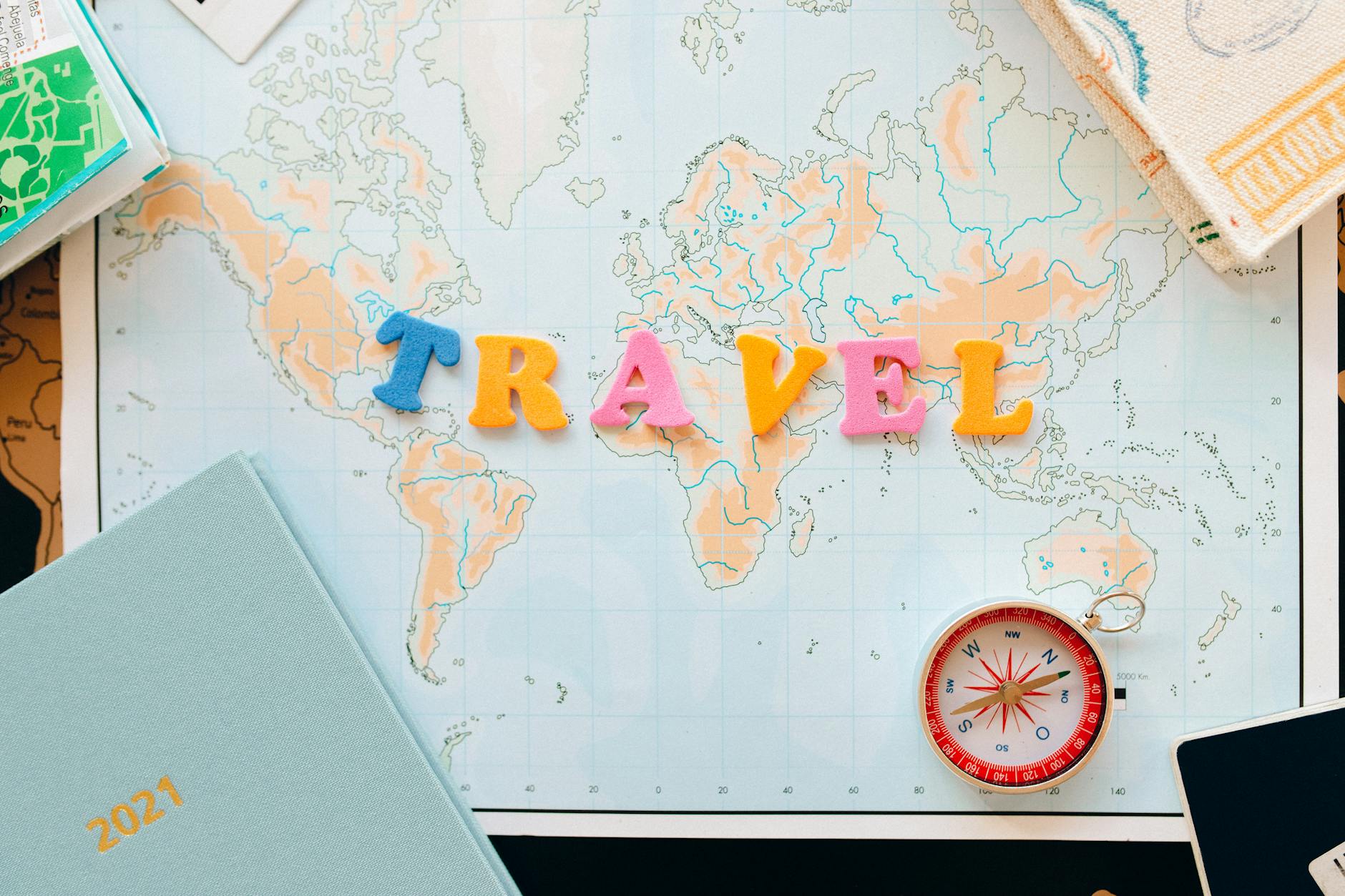
Planning your first trip abroad is exciting, but it can also feel like there are too many moving parts at once. Flights, passports, entry rules, money, phone data, airport logistics, and day-to-day planning all show up before you even leave home.
The good news is that first-time international travel gets much easier when you break it into a simple order. Instead of trying to figure out everything at once, start with the documents that can delay a trip, then build your route, budget, and bookings around them.
This guide walks through the process step by step so you can plan a first international trip that is realistic, organized, and much less stressful.
Start with the documents that can stop your trip
Before you compare flights or save hotels, make sure you can actually enter the country you want to visit. For many travelers, the passport is the first checkpoint. If you do not have one yet, apply as early as possible. If you already have one, check the expiration date carefully.
Many destinations require that your passport remain valid for months beyond your travel dates. Some countries also require blank passport pages for entry stamps or visas. On top of that, visa rules vary by nationality, destination, and purpose of travel, so do not assume that a country is visa-free just because it is popular with tourists.
As part of your planning, make a short document checklist: passport validity, visa requirement, travel insurance details, flight confirmations, hotel reservations, and copies of any important bookings. Keep digital versions on your phone and offline backups in case you lose internet access.
Choose a destination that matches your budget and comfort level
For a first international trip, it helps to choose a place that is rewarding without being overly complicated. Direct flights, strong tourist infrastructure, reliable public transportation, and clear safety information can make a big difference when everything is new.
Think about the full cost, not just the plane ticket. A cheap flight to a high-cost city can be more expensive overall than a slightly pricier flight to a destination with lower hotel and food costs. Also factor in airport transfers, local transportation, attraction tickets, travel insurance, and mobile data.
It is also worth being honest about your travel style. If you feel nervous about language barriers or complicated transit systems, start with a destination where getting around is straightforward. If you want a slower, easier first trip, choose one or two bases instead of trying to cover an entire country in a week.
Book the flights before you build the rest of the itinerary
Once your documents look good and you know where you want to go, book the flight that best fits your overall plan. Cheapest is not always best. For a first international trip, a slightly higher fare can be worth it if it gives you a better connection time, fewer airport changes, or more convenient arrival hours.
Pay attention to arrival time in particular. Landing late at night in an unfamiliar city can make your first day much harder, especially if public transportation is limited and you have to figure out a transfer while tired. An afternoon arrival is often easier to manage than a midnight one.
Before confirming, check baggage rules, seat selection fees, change policies, and whether you need to re-check bags during a connection. If your itinerary includes separate tickets on different airlines, leave plenty of buffer time. On an international trip, one delay can create expensive problems fast.
Build a simple itinerary, not an ambitious one
One of the most common planning mistakes is trying to do too much. First-time international travelers often build an itinerary that looks efficient on paper but feels exhausting in real life. Every move between cities takes more time than expected once you include check-out, station or airport transfers, waiting time, and check-in at the next place.
In most cases, you will have a better trip if you slow down. For a one-week trip, one city with a day trip or two cities maximum is often enough. For a 10- to 14-day trip, two to three main stops usually feels more manageable than trying to race through five.
A good structure is to choose your must-do experiences first, then arrange the route around them. Leave room for jet lag, weather changes, and the fact that you may simply want a quiet afternoon without a schedule.
Pick accommodation based on location first
When booking hotels or apartments, location often matters more than the room itself. A cheaper place far from the center can cost you more in time, transportation, and stress. For a first international trip, staying near a major transit line or in a walkable neighborhood usually makes the experience smoother.
Look at the map before booking. Check how long it takes to reach the airport, train station, or main sights you care about. Read recent reviews with attention to cleanliness, noise, and late check-in details. If you are arriving early or departing late, see whether luggage storage is available.
If your flight lands after dark, it may be worth paying a little more for a property with a straightforward arrival process and a staffed front desk. The easier your first night is, the better the whole trip tends to start.
Make a money plan before you leave
International trip budgeting is easier when you split costs into categories: transportation, accommodation, food, activities, local transit, travel insurance, shopping, and a buffer for surprises. That last category matters more than people expect.
Before departure, tell your bank about your travel dates if needed, check foreign transaction fees on your cards, and carry at least two ways to pay. A backup card can save a trip if your main card is blocked, lost, or not accepted.
It is also smart to learn the local payment habits. Some places are highly card-friendly, while others still lean on cash for small purchases, taxis, or smaller restaurants. You do not need to overprepare, but you should avoid landing with no local currency, no backup card, and no idea how you will pay for the first train or meal.
Sort out phones, internet, and navigation in advance
Navigation stress is one of the fastest ways to make a first international trip feel harder than it needs to be. Before you leave, decide how you will stay connected. That may mean an international roaming plan, an eSIM, or a local SIM after arrival, depending on your phone and destination.
Download offline maps for the city or region you are visiting. Save your accommodation address exactly as written in the local format, and pin important places such as airports, stations, and any tours you have booked. Keep screenshots of boarding passes, train tickets, and reservation details in case your app or signal fails.
These small steps do not take long, but they remove a lot of unnecessary friction once the trip begins.
Do not ignore arrival-day logistics
The first few hours after landing shape how your trip feels. Before departure, know how you will get from the airport to your accommodation. Research whether the best option is a train, airport bus, rideshare, taxi, or hotel transfer, and make sure you understand where to find it.
Also check basic arrival details: local currency access, whether your accommodation allows late check-in, and what to do if your flight is delayed. If you are crossing many time zones, keep your first day light. A short walk, an easy meal, and an early night can be a smarter start than trying to cram in sightseeing immediately.
Buy travel insurance with a clear purpose
Many travelers treat insurance as optional until something goes wrong. On an international trip, it can matter more than you expect. Medical treatment abroad, trip interruptions, lost baggage, or missed connections can all become expensive quickly.
When comparing policies, look beyond the headline price. Check what is covered, what exclusions apply, whether pre-existing medical conditions affect your coverage, and how claims work. The goal is not just to have insurance, but to understand what help you could actually rely on during the trip.
Create a pre-departure checklist for the final week
The week before an international trip is when small details get missed. A checklist helps you avoid that last-minute scramble. Include online check-in reminders, transportation to your departure airport, luggage rules, medications, chargers, adapters, and copies of important documents.
Packing for an international trip is usually easier when you plan around laundry, weather, and mobility instead of packing for every possible scenario. If you can comfortably carry your bag up stairs, onto trains, and through long airport corridors, you are probably in a good range.
It also helps to leave a little space in your bag for things you pick up during the trip. First-time travelers often pack to full capacity and regret it immediately.
Keep your first trip simple enough to enjoy
The best first international trip is not the one with the most countries, flights, or detailed plans. It is the one that gives you enough structure to feel confident and enough flexibility to enjoy where you are.
If you focus on the essentials first, check the entry requirements early, book sensible flights, stay in a practical location, and build a realistic itinerary, most of the stress drops away. After that, the trip becomes what it should be: a chance to experience a new place without feeling like you are constantly catching up.
And once you plan one international trip well, the next one becomes much easier.
See latest blog posts:
• How to Plan a 4-Day City Break Without Wasting Time on Logistics
• How to Plan a Trip With Personal Item Only and Still Pack Everything You Need
• How to Plan a Family Vacation Without Overbooking Every Day
• How to Plan a Trip to Europe With Only a Carry-On
• How to Plan a Group Trip Without the Usual Chaos