How to Plan a Trip With Personal Item Only and Still Pack Everything You Need
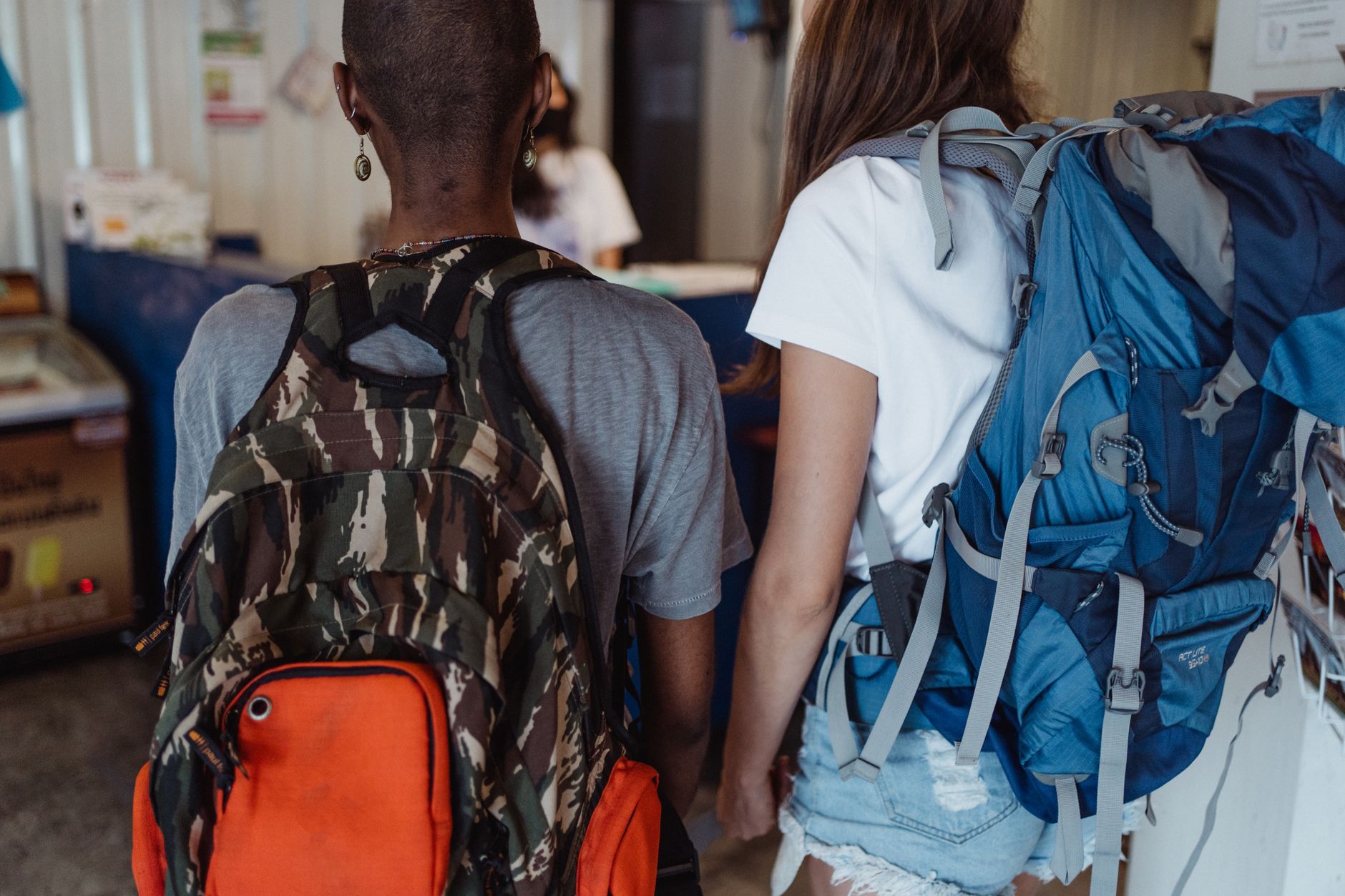
Traveling with only a personal item sounds restrictive until you do it well once. Then it starts to feel like a cheat code. You skip checked bag fees, avoid waiting at baggage claim, move through trains and sidewalks more easily, and spend less time managing your stuff.
The hard part is not the packing itself. It is planning the trip in a way that makes light packing realistic. If your itinerary, clothing choices, and daily habits do not match the size of your bag, even a short trip can feel cramped before you leave home.
This guide walks through how to plan a personal-item-only trip in a practical way, from choosing the right kind of trip to building a small wardrobe, handling toiletries, and avoiding the mistakes that make tiny-bag travel stressful.
What counts as a personal item?
A personal item is usually the smaller bag that fits under the seat in front of you, such as a backpack, tote, or compact duffel. The exact size limit depends on the airline, and that is the one detail you should always verify before you fly. Budget airlines are often stricter than full-service carriers, and some measure bags closely at the gate.
That matters because the difference between a smooth boarding process and an unexpected fee is often just a few inches. If you are planning a trip around a personal item only, start with the airline’s rules before you choose your bag.
When personal-item-only travel works best
This style of travel is easiest when the trip itself is simple. Good candidates include city breaks, short domestic flights, weekend trips, work trips with a predictable schedule, and longer trips where you will have easy access to laundry.
It gets harder when you are packing for multiple climates, formal events, outdoor gear-heavy activities, or destinations where you need bulky layers every day. That does not make it impossible. It just means you need to be more selective and more realistic.
A good rule is this: if the trip requires special gear, frequent outfit changes, or backup items for every scenario, a personal item may not be the best fit. If most of your days look similar, it usually works surprisingly well.
Plan the trip around repeatable outfits, not individual days
The biggest packing mistake is building a separate outfit for each day. That approach fills a small bag immediately. Instead, pack a few pieces that work together repeatedly.
Start with a simple base: tops that all match the same bottoms, one extra layer, sleepwear, underwear and socks, and one pair of shoes on your feet. If you can wear every top with every bottom, you have already made the trip easier.
Neutral colors help, but the real goal is not style minimalism. It is flexibility. A small bag works best when each item can be worn in multiple combinations and in more than one setting, like daytime sightseeing, a casual dinner, or travel days.
A simple clothing framework
For many short trips, a practical starting point looks like this: two to four tops, one to two bottoms, one light layer, undergarments for the trip length or half the trip if you will do laundry, sleepwear, and one optional nicer outfit piece if needed. Wear your bulkiest shoes and outer layer in transit.
You do not need a perfect capsule wardrobe. You just need enough overlap that getting dressed is easy and your bag is not full of one-time-use items.
Pick fabrics and items that earn their space
With a personal item, every bulky or slow-drying piece creates friction. Lightweight clothing that dries overnight is much easier to manage than heavy cotton basics that stay damp and take up space.
Look for clothes that resist wrinkles, layer well, and can be reworn without much fuss. Thin knits, athletic fabrics, merino blends, and simple travel-friendly basics usually do better than stiff denim, thick sweatshirts, or multiple “just in case” pieces.
This is especially important for longer trips. If you can hand-wash a shirt in the sink and wear it again the next day, you do not need to carry as much.
Use laundry as part of the plan
Many travelers try to avoid laundry entirely, then end up overpacking to compensate. For personal-item-only travel, laundry is not a failure. It is part of the strategy.
Before the trip, decide which option is most realistic: hotel laundry, a nearby laundromat, an apartment with a washer, or a quick sink wash for basics. Even one wash mid-trip changes what you need to bring.
If you are staying somewhere for several nights, doing a small load halfway through often matters more than squeezing in one extra shirt at home.
Be stricter with shoes than with clothes
Shoes are usually what break a small-bag packing plan. They are bulky, heavy, and hard to compress. In most cases, one pair worn in transit is enough. If you truly need a second pair, make it lightweight and specific, such as sandals for warm weather or compact flats for evenings.
If you are trying to fit running shoes, hiking shoes, sandals, and nicer shoes into a personal item, the problem is probably not your folding method. It is that the trip plan and the bag plan do not match.
Keep toiletries small and boring
Toiletries take up more room than people expect, especially when every product is packed as if the destination has no shops. Bring only what you are likely to use and keep it small.
Travel-size basics, solid toiletries where practical, and a slim pouch go a long way. If you are staying in a hotel, check what is provided. If you are going somewhere with easy access to pharmacies or grocery stores, remember that not everything has to leave home with you.
The goal is not to have the perfect routine on the road. It is to have a good-enough routine that does not crowd out the things you actually need.
Use a bag that opens well, not just one that is small
A personal item is easier to live out of when the bag is simple to organize. A compact backpack with a clamshell opening often works better than a deep tote where everything sinks to the bottom. Internal organization helps, but too many compartments can waste space.
Packing cubes can be useful if they help you compress and separate categories, but they are not magic. The biggest win usually comes from bringing fewer things, not from arranging too many things more neatly.
Wear your travel-day bulk
If you need a jacket, sweater, or heavier shoes, wear them instead of packing them. This is one of the easiest ways to save space. Airplanes, buses, and trains also tend to be cool enough that an extra layer is useful anyway.
Just do not overdo it to the point that the journey feels miserable. The right balance is wearing your bulkiest essentials, not turning yourself into a walking luggage workaround.
Leave room for daily-use items
A personal item is not only your suitcase. It is also your in-transit bag. That means it needs to hold the things you will reach for during the journey, like chargers, medications, documents, snacks, sunglasses, and a water bottle.
People often pack the clothing first, fill the bag completely, and then realize there is nowhere sensible to put the items they actually need access to. Plan for those from the start.
Choose accommodations and transport with light packing in mind
Small-bag travel becomes much easier when the rest of the trip supports it. Accommodation with laundry access, walkable neighborhoods, and easy transit connections all reduce the need to pack backups and contingency items.
The same goes for your route. If you are changing hotels every night, carrying a small bag is still easier than hauling a large one, but efficient planning matters even more. A compact load gives you flexibility, and smart logistics let you benefit from it.
Common mistakes that make personal-item-only travel harder
Packing for unlikely scenarios
One extra “just in case” item does not seem like much, but several of them quickly take over a small bag. Pack for your actual plan, not every possible version of the trip.
Bringing clothes that only work once
A dress that only works for one dinner or shoes that only match one outfit need to justify their space. Most of the time, they do not.
Ignoring airline rules until check-in
This is the easiest problem to avoid. Check the airline’s personal item dimensions before departure, not after you have packed.
Using a bag that is uncomfortable to carry
If you will be walking through stations, up stairs, or across uneven streets, comfort matters. A slightly smaller but better-fitting bag is often the smarter choice.
A practical mindset shift
Traveling with only a personal item is less about extreme minimalism and more about removing friction. You spend less time packing, less money on bag fees, and less energy keeping track of things.
It also forces useful decisions before the trip starts. You figure out what kind of days you are actually going to have, what you genuinely need, and what you can stop carrying around out of habit. That kind of clarity tends to improve the trip itself, not just the packing list.
Final thoughts
If you want to make personal-item-only travel work, start with the trip plan, not the zipper. Choose an itinerary that suits light packing, verify the airline’s size rules, repeat outfits, limit shoes, and assume you can do a little laundry if needed.
Once you plan around those basics, a surprisingly small bag can handle more than most people expect. And when it does, the whole trip usually feels lighter too.
See latest blog posts:
• How to Plan a Trip With Only a Backpack and Still Travel Comfortably
• How to Plan a Trip With a Morning Flight Without Losing Sleep or Wasting Day One
• How to Plan a Trip With an Expired Passport That Might Still Be Usable
• How to Plan a Trip With a Morning Flight Without Starting Your Vacation Exhausted
• How to Plan a Stopover Trip Without Turning It Into a Rushed Mess