Best Time to Visit Japan: A Season-by-Season Guide for Cherry Blossoms, Autumn Leaves, and Fewer Crowds
Japan changes dramatically with the calendar. A trip in late March feels nothing like one in June, and November has an entirely different rhythm from January. That is part of the appeal. The hard part is choosing when to go.
There is no single best month for everyone. The right time depends on what you want most: cherry blossoms, autumn color, lower prices, ski days, city walks in crisp weather, or a calmer trip with fewer crowds. Japan stretches from subarctic Hokkaido to subtropical Okinawa, so seasons do not arrive everywhere at once. Even within the same month, travel conditions can be very different from north to south.
If you are planning a first trip, the sweet spots are usually spring and autumn, when temperatures are comfortable and sightseeing is easy. Japan’s official tourism guidance also notes that spring and autumn offer some of the most comfortable weather for exploring, while June typically brings the rainy season to much of the country, and typhoon season peaks around August and September. Autumn is especially appealing in October and November, when much of Honshu and Kyushu stays pleasantly mild and fall color usually peaks from mid-November into early December in many areas.
At a Glance: When Is the Best Time to Visit Japan?
If you want the shortest answer, here it is.
Best overall weather for most travelers: late March to April and October to November.
Best for cherry blossoms: usually late March to early April in Tokyo, Kyoto, and Osaka, with the blossom front moving from south to north and lasting into May in Hokkaido.
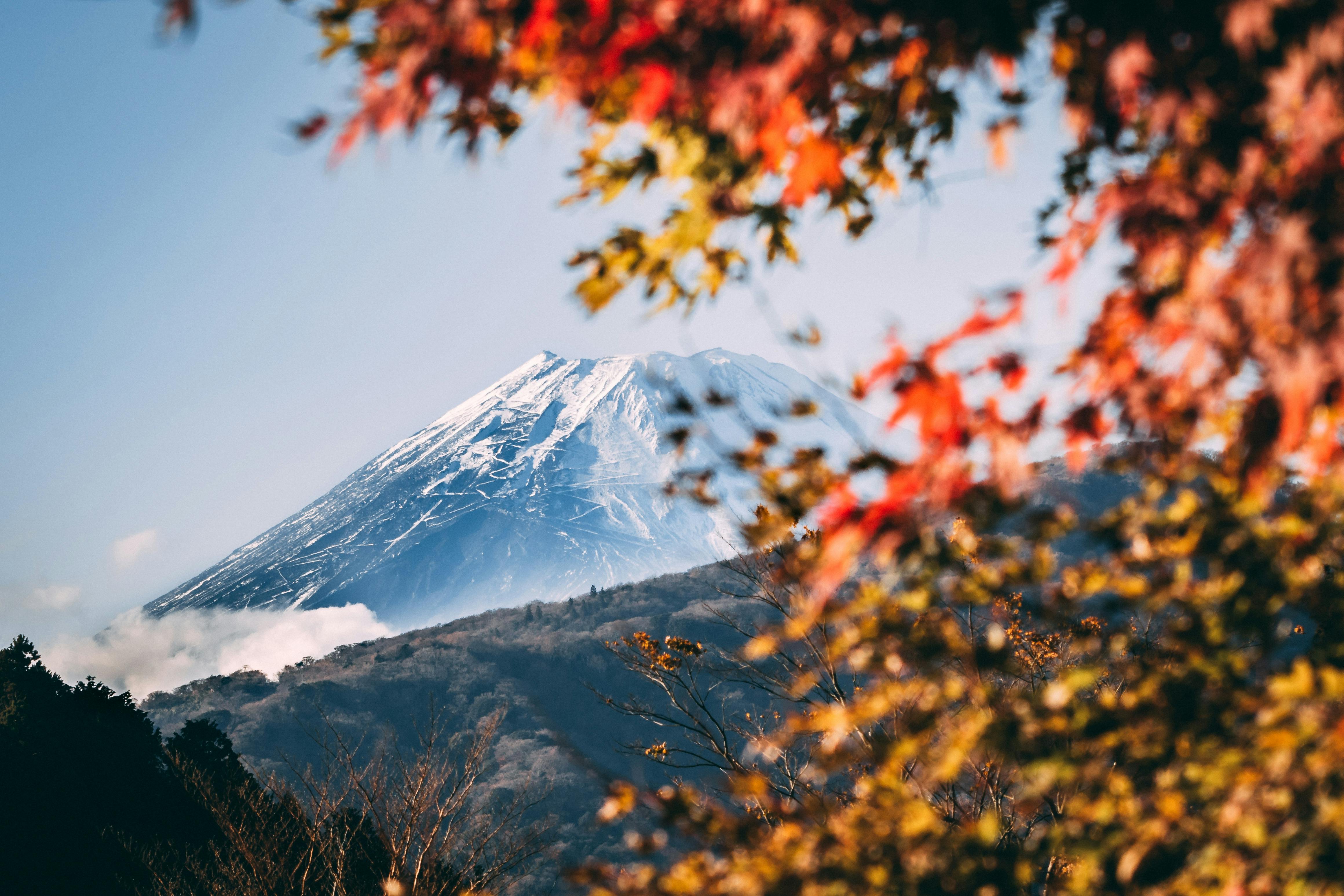
Best for autumn leaves: generally October to early December depending on region, with many of the best-known sights in central Japan looking their best from mid-November to early December.
Best for fewer crowds and solid value: January, February, and parts of June if you do not mind cooler weather or some rain.
Most challenging periods for crowds: cherry blossom season, Golden Week in late April to early May, and popular autumn foliage weeks in November.
Spring in Japan: March to May
Why people love spring
Spring is the season that puts Japan on so many wish lists. Parks fill with sakura, riverside walks turn pink, and cities feel newly awake after winter. It is also comfortable for long walking days, temple visits, and day trips.
According to official tourism information, the cherry blossom front begins in the south and moves north, starting as early as January in Okinawa and ending in May in Hokkaido. In the main tourist corridor of Tokyo, Kyoto, and Osaka, peak viewing is often in late March to early April, though exact timing shifts every year with the weather.
Best for
Cherry blossoms, first-time trips, city sightseeing, garden visits, and classic postcard Japan.
What to watch out for
Spring is beautiful, but it is not quiet. Flights and hotels can fill early around bloom dates, and famous sakura spots can get very crowded. You also cannot treat blossom timing as fixed. It changes every year, and even a warm spell or cold snap can shift the best viewing window.
Another important warning: Golden Week. Japan’s official tourism materials describe Golden Week as the holiday period from April 29 to May 5. By then, blossoms are mostly finished in much of the country, but domestic travel surges. If you want an easier first trip, it is usually smarter to avoid those dates unless you are heading north to later-blooming areas.
Spring travel tip
If you miss peak bloom in Tokyo or Kyoto, do not assume the season is over everywhere. Northern regions extend the sakura window. Official tourism sources highlight Tohoku and Aomori spots where blooms are typically best in mid to late April, and in places such as Hirosaki Park and Ashino Park, strong viewing can continue into late April and early May.
Summer in Japan: June to August
June: the rainy start of summer
June is often underrated. Official Japan tourism guidance describes it as the rainy start of summer, when the rainy season sweeps upward through the country. The timing is regional: Okinawa’s rainy weather begins earlier, while Tohoku typically starts around mid-June. The same guidance notes that Hokkaido is relatively unaffected, which makes it a useful choice for travelers who want greener landscapes without as much rain.
The good news is that rainy season does not mean nonstop downpours every hour of every day. It means wetter weather, more humidity, and the need for a flexible itinerary. June can work well if you mix indoor museums, cafés, food experiences, and a few outdoor sights that still shine in soft rain. Hydrangea season is also one of the month’s quiet pleasures.
July and August: festivals, mountains, and heat
After the rainy season, heat and humidity rise fast. Official guidance for Japan’s national parks notes that summer can become intensely hot, with recent heatwaves exceeding 35 degrees Celsius in some places. In big cities, that can make long afternoons feel draining.
That said, summer still has plenty going for it. Festival season is in full swing, fireworks are memorable, and mountain regions provide relief. If your idea of Japan includes alpine walks, higher-elevation escapes, or Hokkaido road trips, summer can be a strong choice.
Best for
Festivals, fireworks, mountain areas, Hokkaido, school-holiday travel, and travelers who do not mind heat.
What to watch out for
Heat, humidity, and in late summer, typhoons. Official tourism guidance says Japan’s typhoon season peaks around August and September, so this is a time to keep plans flexible and pay attention to forecasts.
Autumn in Japan: September to November
Why autumn is such a favorite
If spring is the famous season, autumn is the one many repeat visitors quietly prefer. Japan’s official tourism site describes autumn as a prime time for travel thanks to crimson leaves and comfortable weather. Across much of Honshu and Kyushu, October and November are pleasantly cool, and in many central destinations the most vivid fall color usually arrives from mid-November to early December.
Temples, traditional gardens, mountain lakes, and old streets all seem to sharpen in the clear air. Kyoto is especially strong in this season, and official tourism materials specifically point to the city’s temples and gardens as standout places for autumn leaf viewing.
Best for
Comfortable temperatures, scenic walks, temple visits, gardens, photography, and travelers who want classic Japan without summer heat.
What to watch out for
Autumn is not exactly a secret. Popular foliage sites can be busy, especially on weekends and around holiday periods. Early autumn can also overlap with typhoon risk, particularly in September. By later October and November, conditions are usually much easier.
Autumn travel tip
If you care most about the weather rather than a specific seasonal event, late October through November is one of the easiest windows for a first trip. You get comfortable sightseeing temperatures, lower humidity, and a wide range of possible itineraries, from Tokyo and Kyoto to countryside escapes.
Winter in Japan: December to February
What winter is really like
Winter in Japan is not one thing. Hokkaido and mountain areas can be deeply snowy, while Okinawa stays much milder. Official tourism information notes that winters are relatively cold outside Okinawa, with the heaviest snows tending to fall in Hokkaido, along the Sea of Japan side, and in mountainous districts.
For many travelers, winter is the best-value season. Cities are calmer after the New Year period, hotel prices can be softer than in peak spring and autumn, and you can enjoy shrines, food, neighborhoods, and museums without the same level of crowd pressure.
Best for
Skiing, hot springs, snow scenery, winter illumination events, and lower-key city trips.
What to watch out for
Cold weather, shorter days, and snow-related transport issues in some regions. If you are visiting primarily for urban sightseeing, winter is still very workable, but you will want a warm coat and a realistic daily pace.
Month-by-Month: Quick Advice
January
Great for lower crowds after the holiday rush, winter food, onsen trips, and skiing. Not ideal if you want flowers or long daylight hours.
February
Still cold, but often a smart-value month. Good for snow regions and city breaks with fewer international crowds.
March
A transition month. Early March can still feel wintry; late March often brings the first big wave of cherry blossom travel in major cities.
April
One of the best months overall, especially for first-time visitors. Mild weather, spring color, and easy sightseeing. Just watch out for crowds and high demand.
May
Lovely weather in many places, but try to avoid Golden Week from April 29 to May 5 if you want a smoother trip. Northern Japan can still offer late sakura opportunities.
June
Rainy season starts across much of Japan, though not uniformly. Good for quieter travel, gardens, hydrangeas, and flexible itineraries. Hokkaido is a particularly interesting option.
July
Hotter, more humid, and energetic. Good for summer festivals, but harder for all-day city walking.
August
Hot and humid, with typhoon risk increasing. Best for festivals, mountain escapes, and travelers used to summer heat.
September
Early autumn begins, but typhoon season can still affect plans. Better later in the month than earlier for some travelers.
October
Excellent weather in many regions. A strong all-round month for first trips, outdoor sightseeing, and mixed city-country itineraries.
November
One of the very best months for many travelers. Cool, pleasant, and often the peak season for autumn color in famous central Japan destinations.
December
A good shoulder season if you go before the late-month holiday rush. Crisp air, illuminations, and fewer crowds than November in many places.
So, When Should You Go?
If it is your first trip
Choose late March to April for spring atmosphere and sakura potential, or late October to November for easy weather and autumn scenery.
If you want cherry blossoms
Aim for late March to early April in Tokyo, Kyoto, and Osaka, but keep your plans flexible and watch annual bloom forecasts. If your timing is later, consider Tohoku or Hokkaido.
If you want fewer crowds
Look at January, February, or June. These months are not perfect for everyone, but they can be calmer and better value.
If you hate humidity
Avoid the middle of summer. October, November, and much of April are much more comfortable.
If you want the easiest all-round weather
October and November are hard to beat.
One Last Planning Note
Japan rewards travelers in every season, but timing matters more here than in many destinations. Blossom dates move. Foliage shifts by region. Rainy season does not hit everywhere at once. Holiday weeks can completely change the feel of a trip.
That is exactly why it helps to plan around your priorities instead of searching for a mythical perfect month. Decide whether your trip is really about sakura, fall color, food, lower stress, or lower cost, and the right window becomes much clearer.
If you are mapping out routes across multiple cities, this is where a planning tool helps. Tripcito is positioned as an AI travel planner that keeps your trip in one organized space, with day-by-day itineraries you can refine naturally, document storage for reservations and travel paperwork, shared planning for group trips, packing lists, budget tracking, and calendar reminders. In other words, once you decide when to go, it can make the rest of the trip much easier to organize.
See latest blog posts:
• Philadelphia This Weekend: How to Plan a Smart Fall City Break Around YèShì Chinatown Night Market
• Savannah in October: A Smart 3-Day Itinerary for Squares, Riverfront Walks, and Fall Events
• Philadelphia Indigenous Peoples Day Weekend 2026: A Practical 3-Day Guide for First-Time Visitors
• San Francisco Fleet Week 2026: A First-Timer’s Practical Guide to the Air Show, Ship Tours, and a Smart October Weekend
• Philadelphia in October: A Smart 3-Day Weekend Guide for Food, Fall Festivals, and Historic Neighborhoods