
How to Plan a 10-Day Italy Trip Without Feeling Rushed
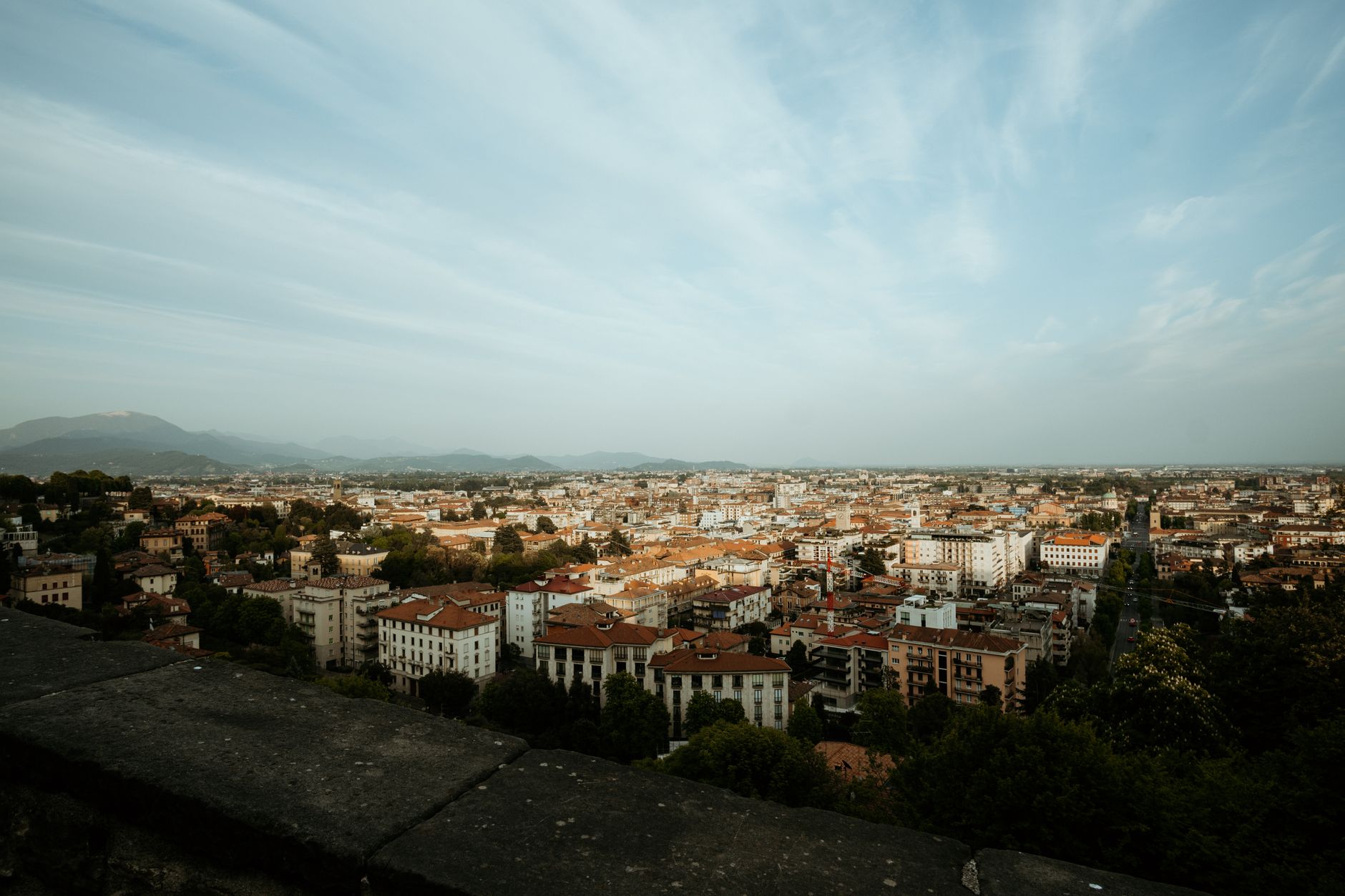
Italy is one of the most searched-for trip ideas for good reason: it packs major cities, small towns, art, food, coastlines, and easy rail connections into a country that rewards both first-time visitors and repeat travelers. The hard part is not finding places to go. It is choosing what to leave out.
A rushed Italy itinerary usually tries to fit Rome, Florence, Venice, Milan, Cinque Terre, Tuscany, Naples, and the Amalfi Coast into a single trip. On paper, that can look efficient. In practice, it often turns into check-ins, train platforms, and half-day visits that leave little room for the parts people actually remember: long dinners, wandering side streets, and unplanned stops.
If you have 10 days, the smartest approach is to build around two or three bases, keep transfer days under control, and match your route to your travel style. Here is how to do it.
Start with the right expectation for 10 days
Ten days is enough for a very good Italy trip, but not for all of Italy. That matters because your itinerary gets better the moment you stop treating every famous city as mandatory.
For most travelers, 10 days works best in one of these formats:
Choose two big-city bases and one smaller stop if this is your first visit and you want a mix of landmarks and downtime.
Choose three classic cities if museums, historic centers, and train travel are your priorities.
Choose one city and one region if you prefer a slower trip with day trips, long meals, and less packing.
A good rule is simple: if you are changing hotels every one or two nights, you are probably doing too much.
Pick one of these route styles
Option 1: Rome, Florence, and Venice
This is the classic first-time route and the easiest to plan. It gives you major landmarks, strong train connections, and a clear northbound flow.
A balanced version looks like this:
Spend 4 nights in Rome, 3 nights in Florence, and 2 nights in Venice, with your final night adjusted depending on flight timing.
This works well if you want ancient sites, Renaissance art, and canal-city atmosphere without adding too many moving parts.
Option 2: Rome, Florence, and Tuscany
If Venice feels less essential to you than food, wine, and smaller-town scenery, replace it with extra time in Florence or a stay in a Tuscany town with easier logistics such as Siena or Lucca.
This version is especially good for travelers who want some structure but do not want every day built around major-ticket attractions.
Option 3: Rome and Naples with the Amalfi Coast or Sorrento
This is a good route if you want history plus coastal scenery. It can work very well, but only if you are realistic about distances and ferry or regional transport time.
For a smoother trip, many travelers use Rome and Sorrento as their main bases instead of trying to sleep in multiple Amalfi Coast towns during a short itinerary.
How many cities is too many?
For 10 days, two or three bases is usually the sweet spot. Four bases can work, but only if your travel days are simple and you are comfortable moving often. More than that usually creates unnecessary friction.
Every hotel change costs more time than it seems. Even when the train ride is short, you still need to pack, check out, get to the station, wait, arrive, navigate to your next stay, and deal with luggage before your next real activity begins.
That is why a trip with fewer stops often feels fuller, not emptier.
Build around transportation before you book anything else
One of the most common planning mistakes is choosing hotels first and only later realizing the route is awkward. In Italy, your trip gets easier when you think about transport at the start.
Use these practical rules:
Keep long-distance travel to one major move every few days.
Try to avoid arriving in a new place for only one full day.
Use trains for the main city-to-city legs whenever possible.
If you want hill towns, vineyards, or rural stays, decide whether you will rent a car only for that portion instead of for the whole trip.
For many first-time visitors, trains are the easiest backbone for the trip, with cars saved for specific countryside segments rather than city arrival days.
A sample 10-day Italy itinerary that feels balanced
Days 1 to 4: Rome
Give Rome enough time. It is not just about seeing the Colosseum, Vatican Museums, and Trevi Fountain. The city rewards slower wandering in neighborhoods, evening piazzas, and long lunches between major sights.
Use one day for ancient Rome, one for the Vatican area, one for the historic center, and keep one day flexible for neighborhoods, food, or a lighter pace after arrival.
Days 5 to 7: Florence
Florence is compact, which makes it useful in a 10-day plan. You can focus on the Duomo area, major museums, and bridges on foot, then add a day trip if you want more variety.
If you love art, keep your time in the city. If you want scenery, use one day for Tuscany towns that are straightforward from Florence.
Days 8 to 10: Venice
Venice is best when you accept that part of the experience is simply being there early or late, after day-trippers thin out. Two nights gives you one full day plus relaxed evening and morning time, which is far better than a rushed day trip at the end of a packed itinerary.
If your return flight is from another city, consider whether to reverse the route or end in a better-connected departure point instead of forcing a last-minute backtrack.
How to choose between Florence, Venice, and the Amalfi Coast
If you are stuck between iconic stops, use your travel style to decide instead of trying to squeeze all of them in.
Choose Florence if you want walkable days, museums, architecture, and easy day-trip options.
Choose Venice if atmosphere matters more to you than checking off attractions.
Choose the Amalfi Coast or Sorrento if your priority is coastal views, slower afternoons, and a less museum-heavy trip.
There is no universal best choice. There is only the one that fits how you actually like to travel.
Do not underestimate arrival and departure days
Flight days can distort a plan more than people expect. A day that includes an overnight flight, immigration, a train transfer, and a hotel check-in is not a full sightseeing day.
The same goes for departure. If your flight is early, staying far from the airport or in a different city the night before can create avoidable stress. It is often worth reshaping the route so your final night matches your departure logistics.
Plan tickets for the busiest sights, but leave space elsewhere
Italy is easier when you separate the trip into two buckets: things worth reserving early and things better left flexible.
Reserve ahead for your top-priority sights, especially if missing them would affect the trip. But do not turn every hour into a booking. Some of the best travel time in Italy comes from walking until you find a good café, lingering in a square, or choosing a smaller church or market on the spot.
A good rhythm is one major pre-booked activity per day, with the rest of the day left lighter.
Where travelers lose time without realizing it
Overcommitting to day trips
Day trips sound easy, but they can quietly turn into long transit days. If you are already changing cities every few nights, you may not need extra side trips at all.
Booking hotels far from the station or main areas
A cheaper hotel can cost you time and energy if it adds complicated transit with luggage. In shorter itineraries, location often matters more than small savings.
Trying to do every meal as a destination meal
Not every lunch needs research and a cross-city detour. A practical mix works better: a few planned meals, plenty of simple local stops, and room for spontaneous choices.
How to make the trip feel easier
Choose accommodations in walkable areas with simple arrival logistics.
Travel with luggage you can comfortably manage on trains, stairs, and short walks.
Leave unscheduled time after major travel days.
Group nearby sights on the same day instead of zigzagging across a city.
Use a shared itinerary or trip-planning app so bookings, notes, and routes are in one place.
These small decisions do more for the trip than adding another famous stop.
If you want a slower Italy trip, here is the best adjustment
The easiest way to improve a 10-day itinerary is to remove one stop, not add one. Instead of Rome, Florence, Venice, and the Amalfi Coast, choose Rome plus one northern route, or Rome plus one southern route.
That usually means less time in transit, fewer check-ins, and more time to enjoy where you already are. For many travelers, that is the difference between a trip that looks impressive on paper and one that actually feels good while you are taking it.
Final thoughts
The best 10-day Italy itinerary is not the one with the longest list of famous places. It is the one that matches your pace, keeps travel days manageable, and leaves room for the kind of moments that cannot be scheduled too tightly.
If you are planning your first trip, start with two or three bases, build around simple transport, and let each place breathe a little. Italy gives plenty back when you stop trying to conquer it.
See latest blog posts:
• Memorial Day Weekend in Philadelphia: A Smart 3-Day City Break for History, Museums, and Food
• How to Plan a Trip Around Museum and Attraction Closures Without Wasting a Day
• How to Plan a Trip Around Train Arrival and Departure Times Without Losing Half a Day
• How to Plan a Trip With Only a Backpack and Still Travel Comfortably
• How to Plan a Trip With a Morning Flight Without Losing Sleep or Wasting Day One