How to Plan a Realistic Travel Budget Without Ruining Your Trip
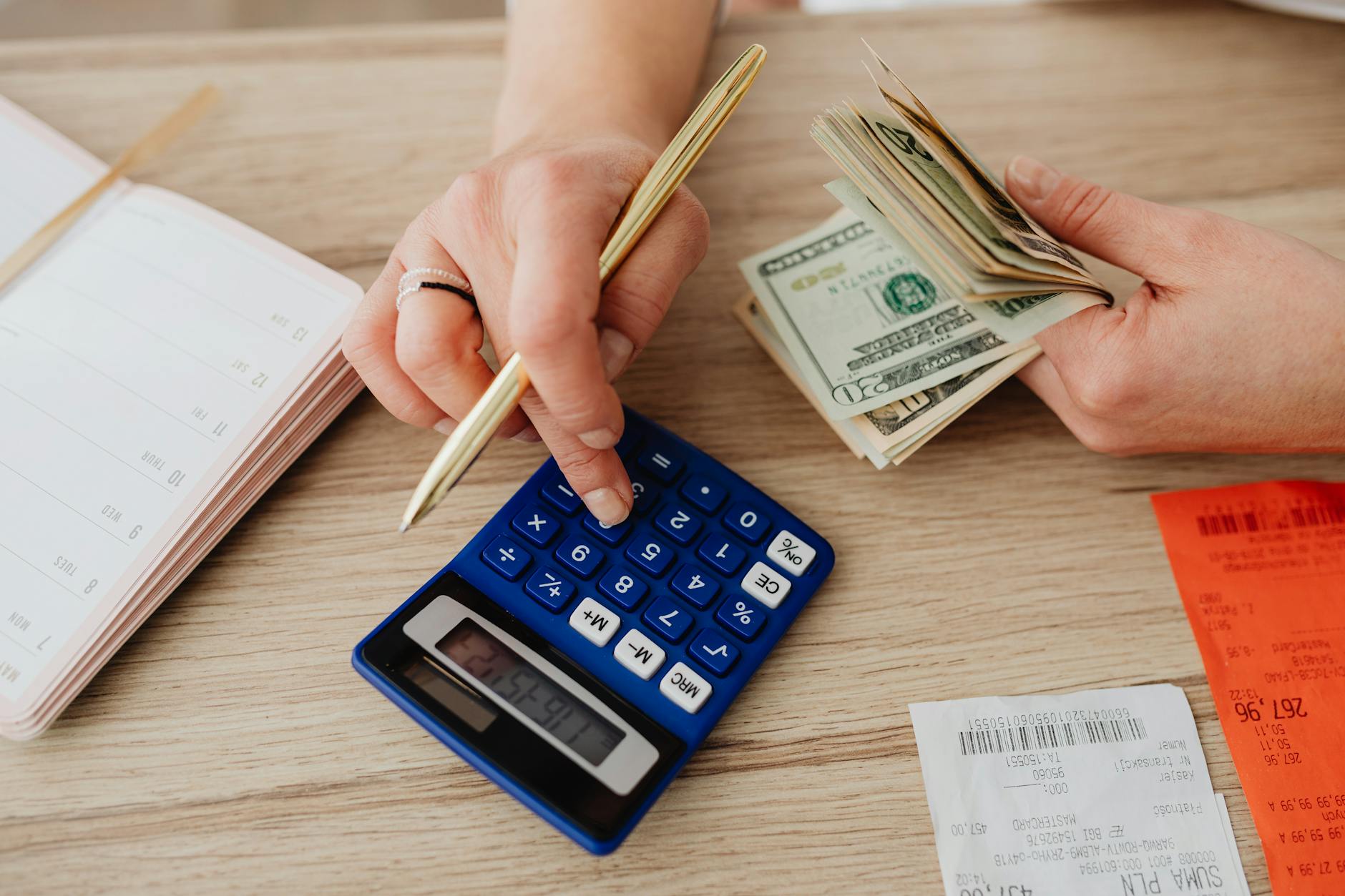
Trip planning usually starts with excitement and ends with a hard question: how much is this actually going to cost? A good travel budget is not about squeezing every dollar until the trip feels joyless. It is about understanding your big expenses, making better tradeoffs, and avoiding the kind of surprises that can throw off the whole plan.
If you are planning a weekend getaway, a long international trip, or a multi-stop vacation, the same idea applies: build a budget that matches the way you really travel. That means pricing the essentials first, adding a buffer, and deciding where it is worth spending more.
Start With the Trip Shape, Not the Spreadsheet
Before you estimate costs, define the outline of the trip. Your budget will change a lot based on a few simple choices: where you are going, how long you are staying, how many cities you want to visit, and whether this is a low-key trip or a packed itinerary.
Start with the basics:
Destination and travel dates
Trip length
Number of travelers
How many places you will stay
Your travel style: budget, mid-range, or higher-end
This matters because a trip with cheap flights but frequent hotel changes can cost more than a simpler trip with a higher airfare. A realistic budget begins with the overall structure.
Price the Big Four First
1. Transportation to and from the destination
For most trips, this is one of the largest costs. Check flights, trains, or long-distance buses early so you can see the real range, not just the lowest advertised fare. If you fly, pay attention to baggage fees, seat selection, and airport transfer costs on both ends.
2. Accommodation
Look at the total nightly rate, not just the headline price. Taxes, cleaning fees, resort fees, parking, and breakfast can make a noticeable difference. If you are traveling with other people, compare the total cost per person rather than the cost of the room alone.
3. Local transportation
This category is easy to underestimate. Include trains between cities, public transit passes, fuel, tolls, parking, ferries, taxis, and rideshares. If you are renting a car, remember that the rental itself may be only one part of the cost.
4. Food
Food spending depends heavily on your habits. Some travelers are happy with grocery store breakfasts and one nice meal a day. Others build their whole trip around restaurants. Neither approach is wrong, but your budget should reflect what you actually want. If you know meals are a highlight for you, protect that part of the budget instead of pretending you will suddenly become ultra-frugal on the road.
Do Not Forget the Small Costs That Add Up Fast
The easiest way to blow a travel budget is to ignore the medium and small expenses that seem optional until they are not. Common examples include:
Checked bag fees
Travel insurance
eSIMs or roaming charges
Museum and attraction tickets
Tips
Coffee, snacks, and bottled water
Laundry
Souvenirs
Foreign transaction fees
Pet boarding, house sitting, or airport parking at home
None of these items is dramatic on its own. Together, they can become a meaningful part of the total.
Use a Daily Spending Estimate That Fits the Destination
Once the big fixed costs are clear, estimate what you are likely to spend per day. This is where many people either guess too low or copy someone else’s numbers without thinking about their own habits.
A better method is to create a simple daily model with categories like food, local transport, activities, and flexible spending. Then adjust it for the destination. A daily budget that feels comfortable in one city may feel tight in another. Season matters too, especially in places with large swings in accommodation prices.
If you are visiting more than one place, do not assume the same daily budget works everywhere. Big capital cities, resort towns, and remote islands often cost more than smaller cities nearby.
Build in a Buffer on Purpose
One of the smartest things you can do is add a buffer before you need it. Even a carefully planned trip can change because of weather, a missed connection, a higher-than-expected taxi fare, or simply getting tired and choosing convenience over the cheapest option.
A buffer helps you absorb those moments without stress. Think of it as part of the budget, not evidence that your planning failed. It gives you room to solve problems quickly and enjoy the trip more.
Decide What Is Worth Spending On
The most useful budgets are selective, not uniformly strict. Pick two or three parts of the trip that matter most to you. That might be a great hotel location, excellent food, nonstop flights, or memorable tours. Spend more there if needed, and save on the areas you care about less.
This approach works better than cutting everything equally. Most travelers do not regret spending on the parts of a trip they truly value. They usually regret spending carelessly on things that did not matter much in the first place.
Compare Total Trip Cost, Not Just Individual Deals
It is easy to chase cheap-looking options that make the overall trip more expensive. A low airfare into a distant airport, for example, may be less of a deal once you add baggage, seat fees, late-night transfers, or an extra hotel night. A cheaper hotel outside the center can also cost more if you spend extra time and money commuting every day.
When choosing between options, compare the full trip cost and the practical impact on your time. Saving a little money is not always worth losing half a day in transit.
Track Costs While You Plan
As quotes and prices start coming in, write everything down in one place. Keep separate lines for fixed costs, estimated daily spending, and paid-versus-unpaid items. This makes it much easier to see whether the trip still fits your limit and where you can adjust if it does not.
Tracking also helps with group trips. Everyone can see the major costs early, which reduces confusion later about what was assumed and what was actually booked.
How to Cut Costs Without Making the Trip Worse
If the total is higher than expected, make changes that preserve the experience. Usually, the best moves are practical rather than dramatic:
Travel for fewer days but keep the same quality level
Stay in fewer places to reduce transit costs
Book accommodation with a kitchen for part of the trip
Use public transit in cities where it is efficient
Choose one or two paid highlights and leave room for free sights
Shift travel dates if prices are much lower nearby
What often works less well is cutting too deeply across every category. An unrealistically low budget can lead to rushed decisions, constant tradeoffs, and a trip that feels more stressful than satisfying.
A Simple Budget Framework You Can Use
If you want a straightforward way to organize the numbers, break the trip into these buckets:
Getting there
Staying there
Getting around
Eating and drinking
Activities and tickets
Trip extras and emergency buffer
That framework is flexible enough for almost any trip. It also makes it easier to spot which category is driving the total upward.
Final Thoughts
A realistic travel budget should help you say yes to the right trip, not scare you out of going. When you price the major costs honestly, account for the smaller extras, and leave room for the unexpected, you make better decisions from the start.
The goal is not perfection. It is clarity. Once you know what the trip is likely to cost, you can adjust dates, destination, pace, or priorities with much less stress and a much better chance of enjoying the travel you worked hard to plan.
See latest blog posts:
• How to Plan a Trip Around Museum and Attraction Closures Without Wasting a Day
• How to Plan a Trip Around Train Arrival and Departure Times Without Losing Half a Day
• How to Plan a Trip With Only a Backpack and Still Travel Comfortably
• How to Plan a Trip With a Morning Flight Without Losing Sleep or Wasting Day One
• How to Plan a Trip With an Expired Passport That Might Still Be Usable