
How to Plan a Trip to London Without Overspending or Overbooking
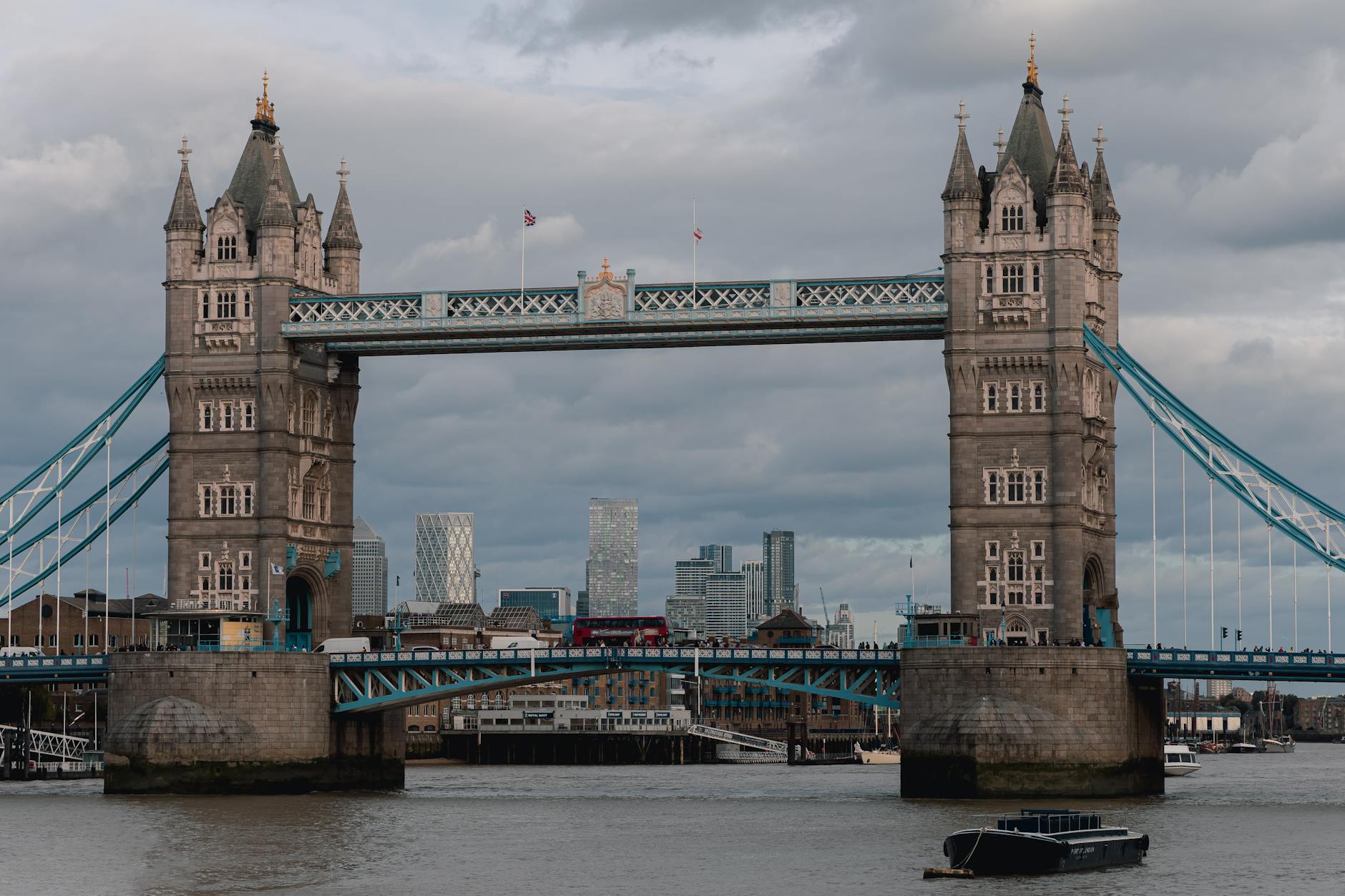
London is one of the easiest big cities to visit for a first-time international trip, but it is also one of the easiest places to overplan. Travelers often book too many attractions, choose the wrong airport, underestimate travel times across the city, or spend far more than necessary on hotels in the wrong area.
If you want a London trip that feels full but not exhausting, the key is simple: build your plan around neighborhoods, reserve only the things that truly need advance booking, and leave enough space for the city itself. London rewards structure, but it punishes overscheduling.
Why London is a strong travel-planning topic
London has year-round demand from first-time Europe travelers, families, couples, and solo travelers. It works for short city breaks and longer multi-stop trips, and it raises practical planning questions people actively search for: where to stay, how many days to spend, which airport to use, how to get around, and what needs to be booked in advance.
That makes it an especially useful destination for a planning-focused guide. The goal is not to see everything. It is to build a trip that is efficient, realistic, and enjoyable.
Start with the right trip length
For most travelers, four to five days is a strong first trip to London. That gives you enough time for major sights, a few museums, one or two booked attractions, and time to explore on foot without turning every day into a checklist.
If you only have two or three days, keep your plan tight and central. Focus on Westminster, the South Bank, Covent Garden, and one museum area. If you have a full week, do not automatically fill every day with landmarks. Use the extra time for neighborhood wandering, a market morning, a park break, or a day trip only if it genuinely fits your pace.
Choose the right area to stay
In London, location affects your trip more than hotel star rating. A cheaper hotel far from the places you want to spend time can cost you more in transit time, energy, and convenience.
Best areas for first-time visitors
Covent Garden: Central, walkable, lively, and convenient for theaters, restaurants, and many major sights.
South Bank: Good for river views, easy Tube access, and a strong base for sightseeing.
Westminster or St James: Excellent for classic landmarks, though often expensive.
Bloomsbury: A practical choice for museums, bookstores, and relatively calm streets.
Kensington: Good for families and museum access, with a more residential feel.
What to check before booking
Look at the walking distance to the nearest Tube station, not just the neighborhood name. Confirm whether the room size works for your luggage and sleep needs. Check whether air conditioning matters for your travel dates. And if the rate seems unusually low, make sure you are not booking a hotel with long transit times to the city center.
Understand London airports before you book flights
Many travelers treat “London” as one airport, but your arrival experience can vary a lot depending on where you land.
Heathrow is the most straightforward option for many international travelers because it has strong transport links into the city.
Gatwick can also work well, especially if the fare is better and your hotel is well connected to the train route.
Stansted, Luton, and Southend are often used by lower-cost carriers, but a cheap ticket can become less appealing once you factor in longer transfers, added transport costs, and the extra time required.
Before you book, compare the full door-to-door journey, not just the airfare. A slightly more expensive flight into a better-connected airport can be the cheaper and easier option in practice.
Do not overload your itinerary with reservations
One of the most common London planning mistakes is booking too many timed entries. A trip can look efficient on paper and still feel stressful once you add queues, transport, weather, and simple decision fatigue.
What is usually worth booking ahead
Book ahead for attractions or experiences that are central to your trip, such as a major observation deck, a popular guided tour, a West End show, or a special afternoon tea if that matters to you.
What you can often keep flexible
Many museums, parks, markets, and neighborhood walks are better left as flexible pieces of the itinerary. London is a city where the in-between time often becomes part of the trip: walking across a bridge, stopping for tea, browsing a bookstore, or lingering in a museum longer than expected.
A good rule is to anchor each day with one major reservation, maybe two, and leave the rest adaptable.
Plan by zone, not by wish list
London gets tiring when you zigzag across the city. The easiest way to avoid that is to group your days geographically.
Example of a practical grouping strategy
Day 1: Westminster, St James, Buckingham Palace area, and the South Bank.
Day 2: Covent Garden, Soho, Trafalgar Square, and the British Museum.
Day 3: Kensington museums and Hyde Park.
Day 4: Tower Bridge, the Tower area, and nearby riverside walking.
This kind of structure reduces transit time and gives each day a more natural rhythm.
Know how to use public transport without overthinking it
London public transport is excellent, but first-time visitors sometimes spend too much time trying to master every fare rule in advance. You do not need to memorize the system to use it well.
What matters most is this: stay somewhere with good Tube or rail access, use a contactless payment method if it works for your situation, and check the route before leaving for time-sensitive plans. Buses can also be useful for shorter hops and sightseeing, especially when you are too tired to deal with stairs and transfers in stations.
Walking should be part of the plan too. In central London, places that look far apart on a map are often connected by pleasant routes that are more enjoyable than taking the Tube for one or two stops.
Build a realistic daily pace
London has enough famous sights to fill two weeks, which is exactly why restraint matters. A realistic day usually includes a morning area, a lunch break, one major afternoon stop, and an evening plan. More than that can be fine, but only if the attractions are close together and your energy level supports it.
If you are traveling with kids, older relatives, or anyone adjusting to jet lag, cut the plan down even further. The trip will usually feel better, not emptier.
Where travelers overspend in London
Most London budget problems come from a few predictable decisions.
Common money drains
Booking a hotel too far out: Lower nightly rates can be offset by time, transit, and convenience costs.
Paying for too many attractions: Not every famous place needs a ticketed visit.
Using taxis by default: They add up fast compared with public transport and walking.
Eating every meal in the most tourist-heavy areas: A short walk often improves both value and quality.
Choosing the cheapest flight without checking airport transfer costs: The fare is only part of the total price.
London can absolutely be expensive, but a carefully planned trip is often more affordable than people expect.
Make room for low-effort, high-value experiences
Not every memorable part of London comes from a major ticket. Some of the best moments are simple: an early walk before crowds build, time in a park, a market browse, a riverside path, or an unplanned stop in a neighborhood cafe.
These quieter parts of the trip also give your itinerary breathing room. If you plan every hour, the city starts to feel transactional. If you leave some space, it starts to feel like travel.
A simple framework for planning your London trip
If you want an easy starting point, use this order:
First, decide how many full days you actually have in the city.
Second, choose a hotel based on transit access and neighborhood fit, not just price.
Third, book flights with airport transfer time in mind.
Fourth, reserve only your highest-priority attractions and experiences.
Fifth, group your sightseeing by area.
Sixth, leave open space each day for meals, walking, and changes in energy or weather.
That is usually enough to create a London itinerary that feels organized without feeling rigid.
Final thoughts
Planning a trip to London well is less about seeing everything and more about avoiding the mistakes that make the city feel tiring, expensive, and chaotic. Stay central if you can, book selectively, move through the city by neighborhood, and treat free time as part of the plan instead of a planning failure.
London is a city with more options than any first trip can cover. That is not a problem to solve. It is the reason you can shape the trip around what you actually enjoy.
See latest blog posts:
• Savannah in October: A Smart 3-Day Itinerary for Squares, Riverfront Walks, and Fall Events
• Philadelphia Indigenous Peoples Day Weekend 2026: A Practical 3-Day Guide for First-Time Visitors
• San Francisco Fleet Week 2026: A First-Timer’s Practical Guide to the Air Show, Ship Tours, and a Smart October Weekend
• Philadelphia in October: A Smart 3-Day Weekend Guide for Food, Fall Festivals, and Historic Neighborhoods
• Chicago Marathon Weekend 2026: A Practical First-Timer’s Guide to Spectating, Transit, and a Smart Fall Trip