
How to Plan a Trip With a Morning Flight Without Starting Your Vacation Exhausted
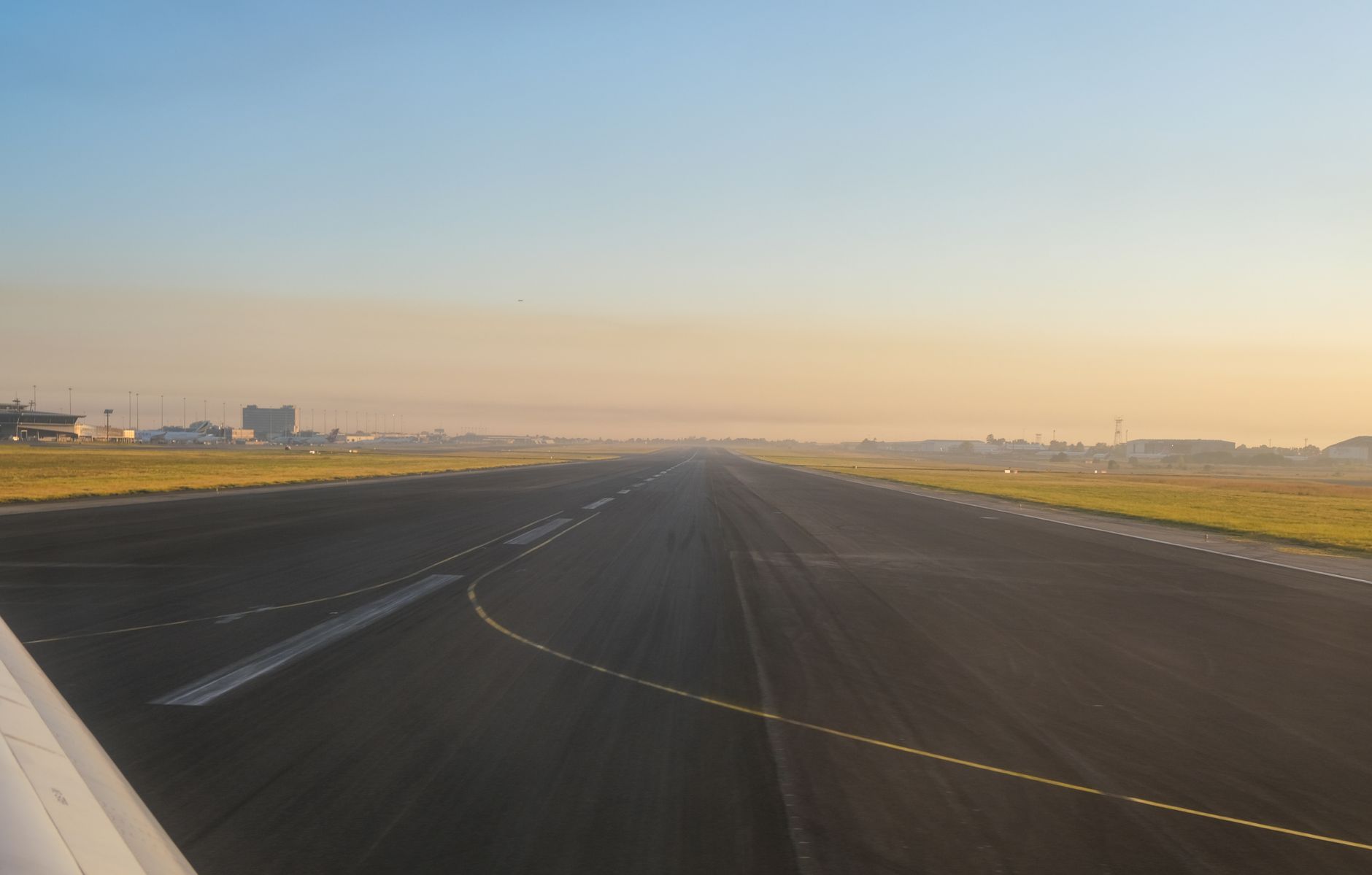
Morning flights often look like the smartest option. They can be cheaper, they leave room for delays later in the day, and they may get you to your destination with enough time to check in, explore, or settle down for dinner. But they also create one of the most common travel planning mistakes: building an itinerary around a flight time that sounds efficient on paper and feels miserable in real life.
If you have ever set an alarm for 3:45 a.m., rushed through a dark airport half-awake, and arrived at your destination too tired to enjoy the day, you already know the problem. A morning flight is not just a departure time. It affects when you sleep, how you pack, when you leave home, what transportation you can rely on, and whether your first travel day is actually usable.
The key is to plan backward from takeoff and treat that first morning like part of the trip, not an afterthought.
Why morning flights are harder than they seem
Many travelers choose the earliest flight available because it seems safer. Earlier departures can reduce the chance of a delay cascading from an earlier aircraft rotation, and arriving earlier can make the first day feel more productive. But the tradeoff is hidden in the hours before departure.
A 7:00 a.m. flight rarely means waking up at 7:00. It may mean getting up at 4:00 a.m., leaving home before public transit is running normally, paying more for a rideshare, or asking whether airport security lines will move fast enough at that hour. If you are traveling with kids, older relatives, or checked bags, the pressure increases quickly.
This is why morning-flight planning works best when you stop asking, “What time is the plane?” and start asking, “What kind of morning does this flight require?”
Start with your real airport timeline
Before booking anything else, estimate your departure timeline honestly. Include the time you need to wake up, get ready, finish last-minute packing, travel to the airport, and clear security without rushing. Then add a small buffer. Not a dramatic one, just enough to handle the normal friction of travel.
For example, a 6:30 a.m. flight might require this:
Wake up at 3:45 a.m. Leave home at 4:30 a.m. Arrive at the airport at 5:00 a.m. Reach the gate around 5:45 a.m.
Once you see the day laid out like that, the decision becomes easier. You are not comparing flights anymore. You are comparing sleep, stress, and how functional you want to be when you arrive.
Decide whether the night-before airport hotel is worth it
One of the simplest fixes for an early departure is staying near the airport the night before. This is especially useful if you live far from the airport, your flight leaves before sunrise, or you would otherwise need to rely on unpredictable transportation. It can also make sense for families, groups, or anyone traveling with a lot of luggage.
The extra hotel cost is not always wasted money. In some cases, it replaces a pricey pre-dawn rideshare, reduces the risk of oversleeping, and gives you a calmer start. It may also let you sleep an extra hour or two, which can easily be worth more than the small savings of choosing the earliest possible flight.
If you do stay near the airport, check whether the hotel shuttle starts early enough for your departure. Do not assume it runs all night or every fifteen minutes. The difference between a shuttle starting at 5:00 a.m. and your needed departure at 4:20 a.m. matters more than a free breakfast you will not have time to eat.
Be realistic about your first day after arrival
Travelers often overestimate how useful arrival day will be after a morning flight. Yes, you may land at noon. But if you woke up at 4:00 a.m., navigated the airport in a rush, and spent hours in transit, you may not want a packed museum schedule, a long train transfer, or a dinner reservation across town.
Instead, keep the first day light. Plan one anchor activity, not five. That could mean a neighborhood walk, an easy lunch, a grocery stop, or one pre-booked sight near your hotel. If your room will not be ready yet, have a simple luggage plan and a low-effort backup nearby.
This matters even more if you are crossing time zones. What looks like a productive early arrival can turn into a day of poor decisions, bad navigation, and unnecessary irritation.
Pack so the morning is almost automatic
The best morning-flight strategy begins the night before. Your goal is to remove every decision you can. Clothes laid out. Toiletries packed. Chargers in your bag. Passport or ID checked. Snacks ready. Water bottle empty and accessible. Boarding pass downloaded. Alarm set with a backup.
If you are still choosing shoes or repacking cables at midnight, the morning will feel worse than it needs to. Try to leave only a few final tasks for departure: get dressed, brush teeth, grab perishables, and leave.
This is also a good time to separate what you need during the flight from what can stay packed. If your headphones, medicine, lip balm, and charger are buried in a larger bag, you will be digging through everything before sunrise and again at your seat.
Think carefully before checking a bag
Checked baggage can make an early airport experience slower and more stressful. If your trip is short enough, traveling with only carry-on and personal item can make the morning much easier. You can arrive later, move faster, and avoid waiting at baggage claim after landing.
That does not mean checked luggage is always a mistake. It may be the right call for winter gear, sports equipment, family travel, or longer trips. But if the main reason you are checking a bag is poor packing discipline for a three-day city break, it is worth reconsidering. Morning flights reward simplicity.
Plan your airport transportation before you book the flight
A surprisingly common mistake is booking a very early departure and only later asking how to reach the airport. Before you commit, confirm whether you will drive, book a rideshare, use a taxi, take transit, or stay nearby the night before. What works at 9:00 a.m. may not work at 4:30 a.m.
If you are driving, think beyond the route. Consider parking time, shuttle transfer time, and whether your chosen lot operates continuously. If you are using a rideshare, remember that availability can vary by location and hour. If you are relying on public transit, make sure the first service of the day actually gets you there with enough margin.
Morning-flight stress is often transportation stress in disguise.
Choose flights based on arrival quality, not just departure price
It is easy to focus on the cheaper fare and ignore the shape of the travel day. But the best flight is not always the one with the lowest price or earliest arrival. It is the one that gives you a usable first day at a reasonable cost in energy, money, and complexity.
Sometimes that means booking the 8:45 a.m. flight instead of the 6:00 a.m. one. You may pay a little more, but you avoid a punishing wake-up time, reduce the chance of forgetting something in a haze, and arrive in better condition to enjoy the trip.
That is not laziness. It is good itinerary design.
If you are traveling with other people, plan for the slowest part of the group
Morning departures are rarely equally easy for everyone. A solo traveler with one backpack moves differently from a family with car seats or a group sharing one ride to the airport. Build your timeline around the slowest realistic part of the group, not the most optimistic person in it.
If one traveler needs more time to get ready, if a child is hard to wake up, or if someone in the group becomes stressed when rushed, account for that before the travel day. A small adjustment in departure time can prevent a much bigger problem later.
A simple rule for deciding if the flight is too early
Here is a practical test: if taking the flight means sleeping so little that you will lose the first day anyway, the timing may not actually be efficient. A flight that saves two hours on the clock but costs you the entire afternoon in energy is not always the better option.
When comparing flights, look at the whole door-to-door experience. How early do you need to wake up? How hard is the airport trip? What happens when you land? Will you be able to check in, function well, and enjoy the destination? If the answer is no, a later flight may be the smarter plan.
Final thought
A morning flight can absolutely be the right choice. Sometimes it is the cleanest way to maximize a short trip, avoid weather later in the day, or reach your destination in time for an important event. But it only works well when the rest of the plan supports it.
Build backward from departure, simplify the morning, protect your sleep where you can, and keep arrival day manageable. Do that, and an early flight can feel efficient instead of punishing.
See latest blog posts:
• How to Plan a Trip Around Museum and Attraction Closures Without Wasting a Day
• How to Plan a Trip Around Train Arrival and Departure Times Without Losing Half a Day
• How to Plan a Trip With Only a Backpack and Still Travel Comfortably
• How to Plan a Trip With a Morning Flight Without Losing Sleep or Wasting Day One
• How to Plan a Trip With an Expired Passport That Might Still Be Usable