
How to Plan a Trip Around Public Transit and Skip the Rental Car
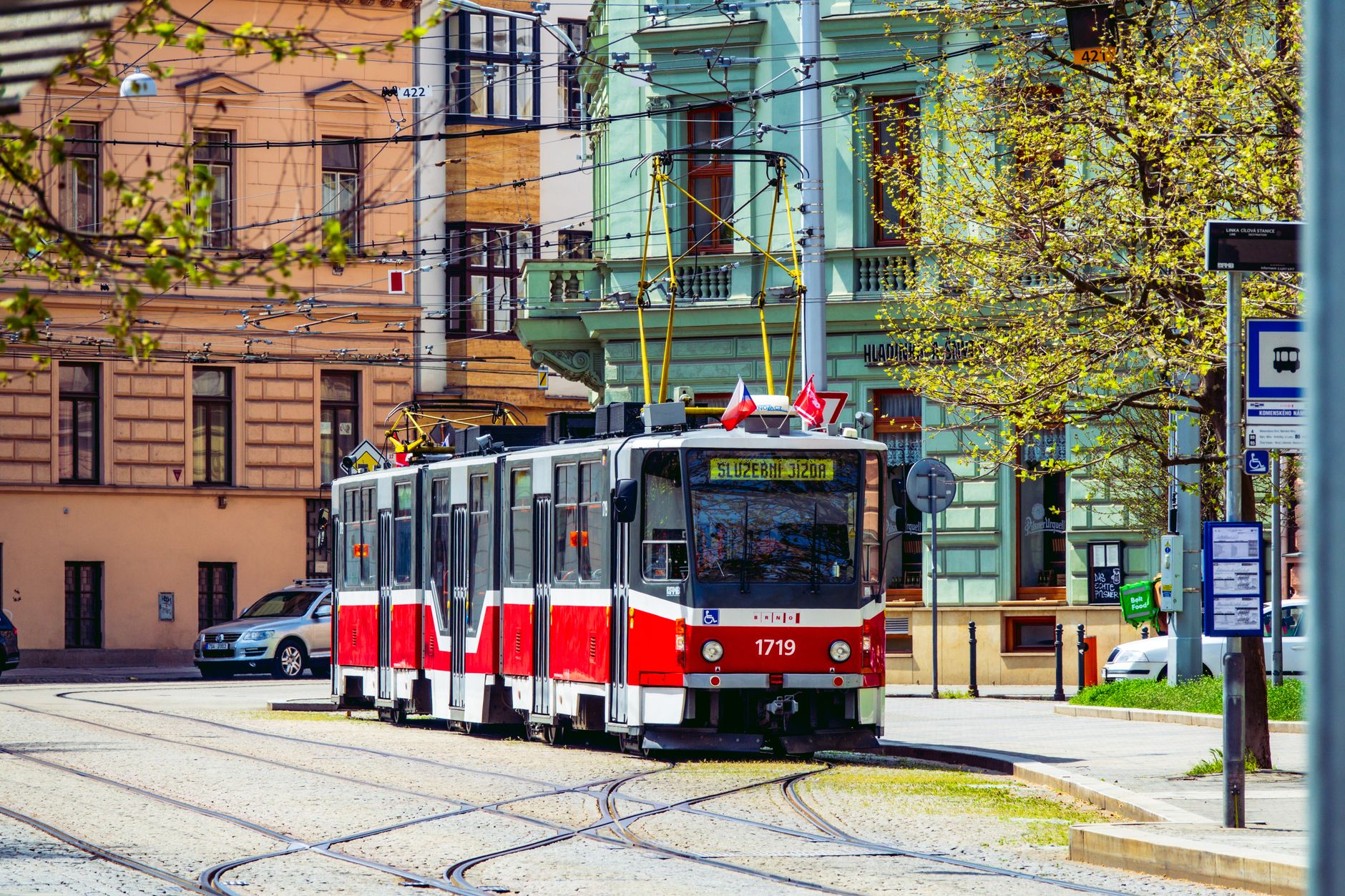
For many trips, renting a car feels like the default. But in the right destination, it can add more stress than freedom: parking fees, traffic, navigation, tolls, and the constant question of where to leave the car next. Planning around public transit can be cheaper, simpler, and often faster once you are in the city.
The key is choosing a destination and daily plan that actually works without a car. A good transit trip is not just about whether a city has buses or trains. It depends on where you stay, how far attractions are from each other, how you handle airport arrival, and what you do when service slows down at night.
This guide will help you build a realistic, transit-first itinerary that saves time without making your trip feel rigid.
Start with the right kind of destination
Not every place is pleasant without a car, even if it looks manageable on a map. The easiest transit-based trips usually share a few traits: a walkable core, major sights grouped into a few neighborhoods, and reliable connections from the airport or main train station to central areas.
When you are comparing destinations, look beyond the headline attractions. Ask practical questions instead. Are the places you want to visit clustered together? Can you reach them by train, metro, tram, or frequent bus? Is the city center actually where travelers spend time, or are the best areas spread far apart?
Cities with dense central neighborhoods tend to work best for car-free travel. Historic capitals, compact coastal cities, and large cities with established rail or metro systems are often easier to plan than sprawling destinations where every major stop requires a long transfer.
Choose your hotel based on transit, not just price
One of the most common planning mistakes is booking a cheaper hotel far from the areas you will use most. Saving money on the room can cost you time and energy every day.
Instead of searching by neighborhood name alone, look for a base within a short walk of a major station or a corridor with frequent service. This matters more than being in the exact center. A hotel near a strong transit link can be more useful than a hotel in a fashionable area with weak connections.
Before booking, check three things: the trip from the airport or arrival station, the route to your top attractions, and the return trip late in the evening. If any of those look awkward, keep looking.
What makes a good transit-friendly base
A practical base usually has at least one high-frequency line nearby, food options within walking distance, and a safe, straightforward walk back at night. If you need to transfer every time you leave the hotel, your location is probably not ideal.
It also helps to stay somewhere that gives you more than one route home. That way, if a line is delayed or crowded, you still have options.
Map your days by area, not by attraction list
Transit-based travel works best when each day is built around one area or one side of the city. Instead of making a long list and zigzagging across town, group nearby sights together and move logically.
For example, spend one day in the historic center, another in the museum district, and another in an outer neighborhood or day-trip zone. This reduces backtracking and makes your schedule more flexible if weather changes or a museum takes longer than expected.
A simple way to test your plan is to count the number of major transfers in a day. If your itinerary requires multiple line changes between every stop, it is probably too fragmented.
Check the airport connection before you do anything else
The first and last part of a trip shape the whole experience. If airport access is easy, the entire trip feels smoother. If it is confusing, expensive, or infrequent, it creates stress immediately.
Before you finalize your stay, look up how you will get from the airport to your accommodation with luggage. Note the likely travel time, whether you need stairs, whether service runs early or late enough for your flight, and whether a bus, train, or metro is the better fit.
Even on a transit-first trip, it is perfectly reasonable to use a taxi or rideshare for airport arrival if you land very late, travel with heavy bags, or reach the city after service drops. The goal is not to avoid cars at all costs. The goal is to avoid needing one for the entire trip.
Learn the system before arrival
You do not need to memorize a city transit map, but you should understand the basics before you go. Know the names of the main lines near your hotel, whether tickets are bought per ride or by time period, and whether validation is required before boarding.
This is especially important in places where transit is easy to use once you understand the rules, but expensive mistakes happen when travelers board without validating or buy the wrong fare type.
Take a few minutes to save the official transit app or the relevant route map on your phone before departure. That small step can make your first day much easier.
Build in a backup plan for nights, weather, and luggage
Public transit is great until it is raining hard, you are carrying bags, or you stay out later than expected. Smart trip planning means knowing where you can bend the rules without blowing the budget.
Give yourself permission to use a rideshare or taxi selectively. Maybe you take transit all day but book a car back after dinner. Maybe you use transit everywhere except on arrival and departure days. That is still a successful transit-first trip.
It also helps to know where the weak spots are in advance. Some places have excellent weekday service but less frequent evening or Sunday schedules. Others are easy by metro but awkward if your plans depend on local buses.
Think carefully before adding day trips
A city can be easy without a car while nearby attractions are not. Before adding a coastal stop, scenic viewpoint, outlet mall, or small town, check whether public transport gets you there conveniently and returns at a useful hour.
The question is not only whether a route exists. It is whether the route fits a normal travel day without long waits, multiple transfers, or an early last departure that cuts your plans short.
If a day trip is transit-friendly, great. If not, consider a small-group tour, a one-day car rental, or replacing it with something easier. One awkward side trip should not complicate the rest of your itinerary.
Pack for a car-free trip
Traveling without a rental car changes what feels manageable. You will notice every extra bag on station stairs, crowded platforms, and uneven sidewalks.
That does not mean you need to travel ultralight, but it does mean your luggage should match the way you plan to move. A compact suitcase, backpack, or small duffel is easier to handle than oversized luggage if you are changing trains or walking to your hotel.
Shoes matter too. On transit-heavy trips, you often walk more than expected, even when you are not sightseeing on foot.
When skipping the rental car makes the most sense
Going car-free is usually a strong choice when you are visiting one city, focusing on a few neighborhoods, taking a short trip, or staying near good rail connections. It also makes sense when parking is expensive, roads are congested, or you simply do not want to spend your trip navigating unfamiliar traffic rules.
A rental car can still be the better tool for rural areas, national parks, multi-stop countryside routes, or destinations where the best experiences sit far apart. Good trip planning is about choosing the transport that matches the place, not forcing every trip into the same template.
A simple way to plan your transit-first itinerary
If you want a practical structure, use this checklist:
Pick a destination with a compact core. Book accommodation near a strong transit line. Group each day by area. Check airport transfers before booking. Learn the fare system in advance. Identify one or two moments when using a taxi or rideshare would make life easier. Keep luggage manageable.
That approach gives you the convenience of flexibility without the cost and hassle of a full-time rental car. In many cities, it also leads to a better trip because you spend less time dealing with logistics and more time actually being there.
See latest blog posts:
• How to Plan a Trip With Only a Backpack and Still Travel Comfortably
• How to Plan a Trip With a Morning Flight Without Losing Sleep or Wasting Day One
• How to Plan a Trip With an Expired Passport That Might Still Be Usable
• How to Plan a Trip With a Morning Flight Without Starting Your Vacation Exhausted
• How to Plan a Stopover Trip Without Turning It Into a Rushed Mess